
May 1, 2026
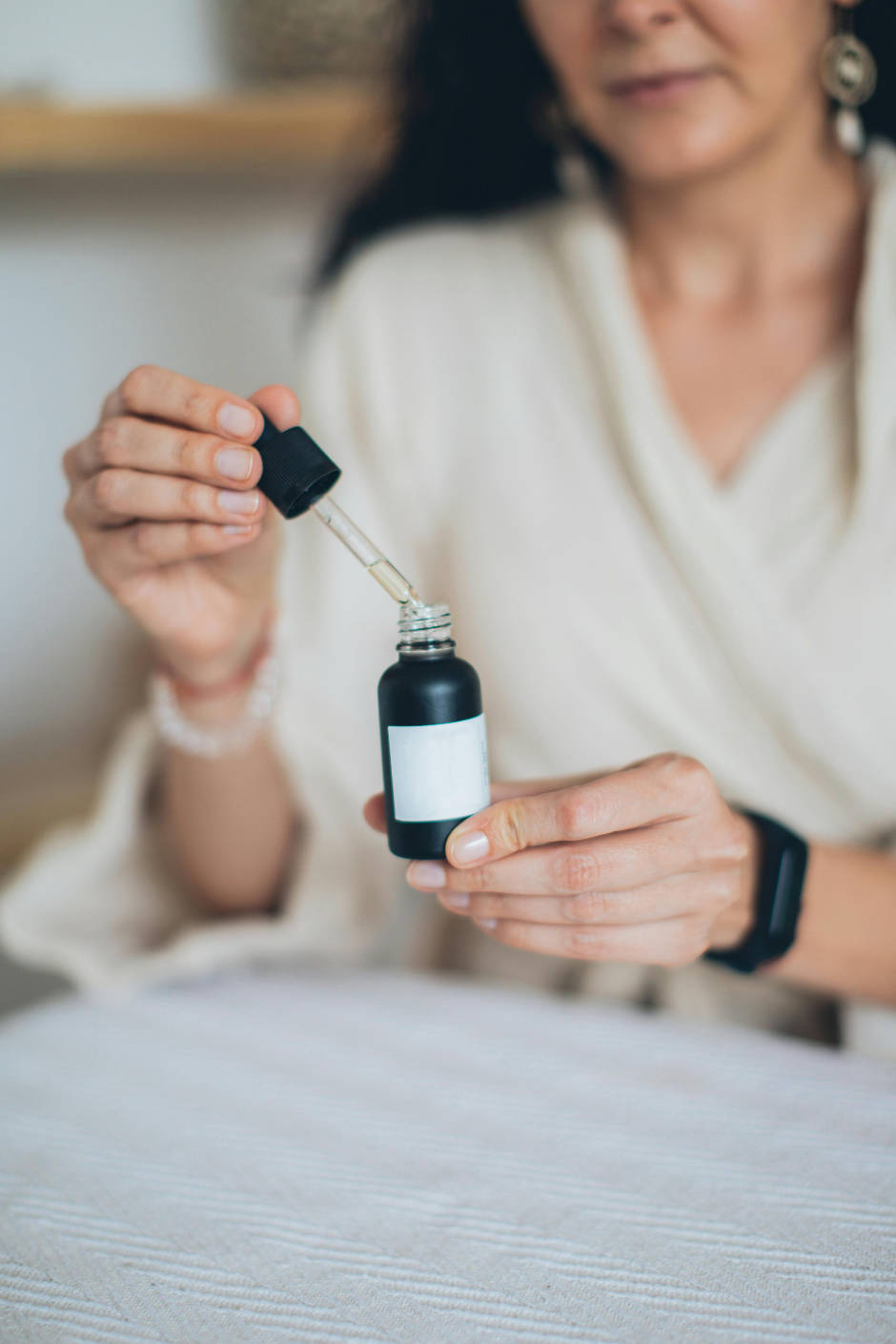
Eyelash extensions can feel like a game-changer—wake up, look put together, skip mascara, repeat. But after a while, many people start noticing something else: they’re no longer really paying attention to their natural lashes at all.
So what happens when you take a break from extensions and switch to a simple lash serum routine for a few months?
This is a look at a three-month “lash detox”—not as a dramatic transformation story, but as a realistic transition back to natural lashes.
After months (or even years) of extensions, your natural lashes might not feel like “yours” anymore.
Common experiences include:
This isn’t necessarily damage in a dramatic sense—it’s more like your natural lashes have been on autopilot. They’ve been supported (and sometimes weighed down) by extensions, so they haven’t had to do much on their own.
Think of it like wearing supportive shoes for a long time—your natural stride is still there; it just needs time to reappear.
Instead of jumping straight back into extensions, some people choose to rebuild their lash routine with a serum.
A lash serum is appealing because it:
It’s less about “instant transformation” and more about “low-effort consistency.”
For many people, serums sit in the middle—less intense than medical options, more natural than extensions alone.
The first month can feel a little underwhelming if you’re expecting change right away.
What you might notice:
This is where patience matters most. Lashes grow in cycles, so what you’re seeing is basically your baseline re-establishing itself.
Realistically, month one is about building the habit—not seeing results.
By the second month, things start to feel a little different—enough that you notice without trying too hard.
You might see:
This is often the point where people think: “Okay… something is actually happening.”
It’s still subtle, but it feels encouraging because it confirms consistency is paying off.
By month three, the change is usually easier to recognize—especially in everyday situations, not just close-up mirror checks.
Common results:
The biggest shift isn’t dramatic “false lash” length—it’s uniformity. Your lashes start to look like a full set again, just naturally yours.
It’s the difference between “I need makeup to look awake” and “I can skip it if I want to.”
After three months, the most important takeaway usually isn’t just how your lashes look—it’s how they behave without constant enhancement.
A few realizations tend to come up:
For many people, the “all or nothing” approach doesn’t last long. A more realistic routine often looks like:
This approach keeps things flexible enhancing your natural lashes without relying on one method all the time.
A three-month break from eyelash extensions, paired with a consistent lash serum routine, doesn’t usually create a dramatic transformation—but it does create something more sustainable.
Instead of chasing instant results, it shifts the focus to:
In the end, it’s less about “before and after” and more about getting comfortable with your natural starting point again—and building from there.
U.S. Food and Drug Administration. (n.d.). Latisse (bimatoprost ophthalmic solution) prescribing information.
American Academy of Ophthalmology. (n.d.). Eyelash growth and cosmetic treatment overview.
Cleveland Clinic. (n.d.). Eyelash enhancement and care options.
Mayo Clinic. (n.d.). Cosmetic eyelash procedures and safety considerations.
DermNet NZ. (n.d.). Eyelash extensions and cosmetic effects.
Journal of Cosmetic Dermatology. (n.d.). Review of eyelash enhancement methods.