
August 26, 2026
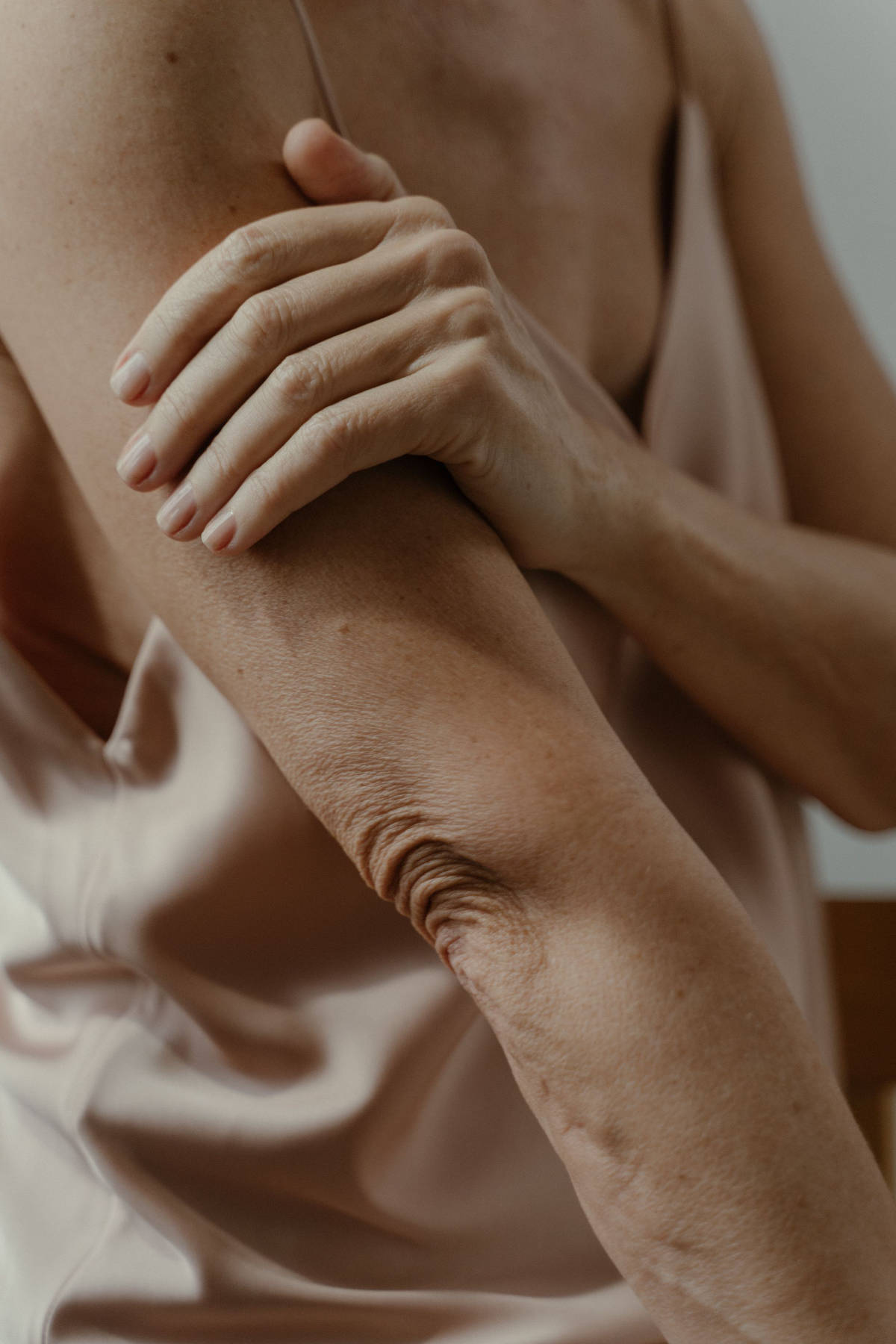
Dry, tight, or unusually sensitive skin is something many women notice during menopause. A moisturizer that once worked well may suddenly seem less effective, and the skin may feel rough or uncomfortable, especially after bathing or washing the face.
While these changes are often considered a normal part of getting older, hormones also play an important role. As estrogen levels decline during the menopausal transition, changes can occur in the skin's structure, moisture, elasticity, and ability to maintain its protective barrier.
For some women, this can be surprisingly noticeable. The skin may feel drier than usual, fine lines may appear more visible, and products that were once part of a reliable skin care routine may no longer seem to work the same way.
This raises an interesting question: Can hormone replacement therapy help?
Estrogen has an important relationship with the skin. Estrogen receptors are found in different layers of the skin, where the hormone influences processes involved in collagen production, skin thickness, elasticity, and hydration.
When estrogen levels decline, the skin can become thinner and less elastic. Changes in the skin's ability to retain moisture may also contribute to dryness and a feeling of tightness.
These changes do not necessarily happen overnight. Some women notice them gradually during perimenopause, while others become more aware of them after menopause.
It can be frustrating to feel that your skin has suddenly changed without changing your routine. However, hormonal changes can be one reason why skin behaves differently during this stage of life.
There is evidence that menopausal hormone therapy can improve several aspects of skin health. A systematic review and meta-analysis of 15 studies involving 1,589 women found that menopausal hormone therapy was associated with improvements in skin elasticity, thickness, and collagen content. However, the same analysis did not find a statistically significant improvement in skin dryness specifically.
This distinction is important.
HRT may support changes in the skin that are related to aging and declining estrogen, but it should not be presented as a guaranteed treatment for dry skin. Research on the effects of hormone therapy on skin hydration and dryness is still developing, and more high-quality studies are needed.
At the same time, the connection between menopause and changes in skin health is well recognized. A recent systematic review described declining estrogen as an important factor affecting skin and mucosal health during menopause.
For a woman who is already considering HRT for other bothersome menopausal symptoms, potential changes in skin quality may be another part of the conversation with her healthcare professional.
It is important to understand what HRT is actually intended to do.
Hormone therapy is primarily used to help manage certain symptoms of menopause. Systemic estrogen therapy is considered the most effective treatment for hot flashes and night sweats, while both systemic and local estrogen can help with vaginal dryness.
That does not mean a woman should start HRT simply because her skin has become dry.
Instead, the bigger picture matters. If dry skin is occurring alongside hot flashes, night sweats, vaginal symptoms, or other changes associated with menopause, it may be worth discussing all of these symptoms together with a healthcare professional.
When considering hormone replacement therapy, guidance from a qualified medical professional is especially important. HRT is not a one-size-fits-all treatment. While it may help manage bothersome symptoms of menopause and may also support certain changes in the skin, the decision to use hormone therapy should be based on a woman's individual health history, symptoms, and personal risk factors.
A healthcare professional can help determine whether HRT is appropriate, which type may be suitable, and whether estrogen should be combined with a progestogen. The right approach can vary depending on factors such as whether a woman still has her uterus, her age, how long it has been since menopause, and her medical history.
It is also important to remember that dry skin can have causes other than menopause. Certain skin conditions, medications, environmental factors, and other health concerns may also contribute to dryness. A medical professional can help determine whether hormonal changes are likely to be contributing to the problem and recommend appropriate treatment.
For women already experiencing symptoms such as hot flashes, night sweats, vaginal dryness, or sleep disturbances, discussing these concerns together can help create a more complete treatment plan. Rather than starting HRT specifically for dry skin, it is better to look at the full picture and decide on treatment with the guidance of a healthcare professional.
Hormone therapy also has potential risks and is not appropriate for everyone. Depending on the type of therapy and an individual's health history, risks can include blood clots, stroke, and certain cancers. Women with a history of certain conditions, including breast or endometrial cancer, stroke, heart attack, blood clots, or liver disease, may not be candidates for systemic hormone therapy.
This is why the decision should be individualized rather than based on the promise of better skin.
Not every woman needs or wants hormone therapy, and there are other ways to manage menopausal skin changes.
A simple skin care routine can go a long way. Using a gentle cleanser, avoiding very hot showers, and applying moisturizer while the skin is still slightly damp can help reduce moisture loss. Ingredients such as ceramides, glycerin, and hyaluronic acid are commonly used to support skin hydration.
It is also worth paying attention to products that may be irritating the skin. Strong soaps, frequent exfoliation, and heavily fragranced products may make already sensitive or dry skin feel worse.
Daily sunscreen remains important as well. Menopause does not stop the effects of sun exposure, and ultraviolet radiation continues to contribute to collagen breakdown, pigmentation, and visible skin aging.
If HRT is appropriate for a woman, the goal should be to manage her overall menopausal symptoms rather than to treat one cosmetic concern.
For women who still have a uterus, systemic estrogen is generally prescribed with a progestogen to reduce the risk of the uterine lining becoming too thick. Women who have had a hysterectomy may be able to use estrogen alone, depending on their circumstances. Hormone therapy is available in several forms, including pills, patches, gels, and sprays.
The choice of treatment should be discussed with a healthcare professional. It is also important to have ongoing follow-up so that the benefits, side effects, and potential risks can be reassessed over time.
Women should also be cautious about products marketed as "natural" or "bioidentical" hormones. Some FDA-approved hormone products are bioidentical, but compounded hormone products are different. The American College of Obstetricians and Gynecologists recommends FDA-approved hormone therapy over compounded hormone therapy when appropriate because compounded products do not have the same FDA oversight for safety, effectiveness, and quality.
Menopause can change the way a woman's skin looks and feels, and declining estrogen may be part of the reason. HRT has been associated with improvements in several measures of skin health, including collagen, thickness, and elasticity, but the evidence that it directly improves dry skin is not yet strong enough to consider HRT a treatment for skin dryness alone.
For women who are already experiencing significant menopausal symptoms, however, HRT may be an appropriate option to discuss with a medical professional. The decision should consider the woman's symptoms, medical and family history, treatment goals, and potential risks.
Dry skin may seem like a small change compared with other symptoms of menopause, but it can affect how comfortable and confident a woman feels in her own skin. Understanding that hormonal changes may contribute to it can help women approach the problem with realistic expectations and choose treatment based on medical guidance rather than trial and error.
American College of Obstetricians and Gynecologists. (2025). Hormone therapy for menopause. ACOG.
American College of Obstetricians and Gynecologists. (2023). Compounded bioidentical menopausal hormone therapy. ACOG Clinical Consensus.
Hall, G., & Phillips, T. J. (2005). Estrogen and skin: The effects of estrogen, menopause, and hormone replacement therapy on the skin. Journal of the American Academy of Dermatology, 53(5), 812–823.
Roster, K., Fleshner, L., Karatas, T. B., Ecanow, A., Sayegh, A., Farabi, B., & Marmon, S. (2026). Menopause and common dermatoses: A systematic review. American Journal of Clinical Dermatology, 27(1), 67–84.
Yoon, H. K., et al. (2024). Skin rejuvenation in women using menopausal hormone therapy: A systematic review and meta-analysis. Journal of Menopausal Medicine, 30(1).