
Hormone therapy is used to restore hormones that naturally decline with age. When levels drop too low, it can affect energy, mood, sleep, weight, focus, and sexual health.
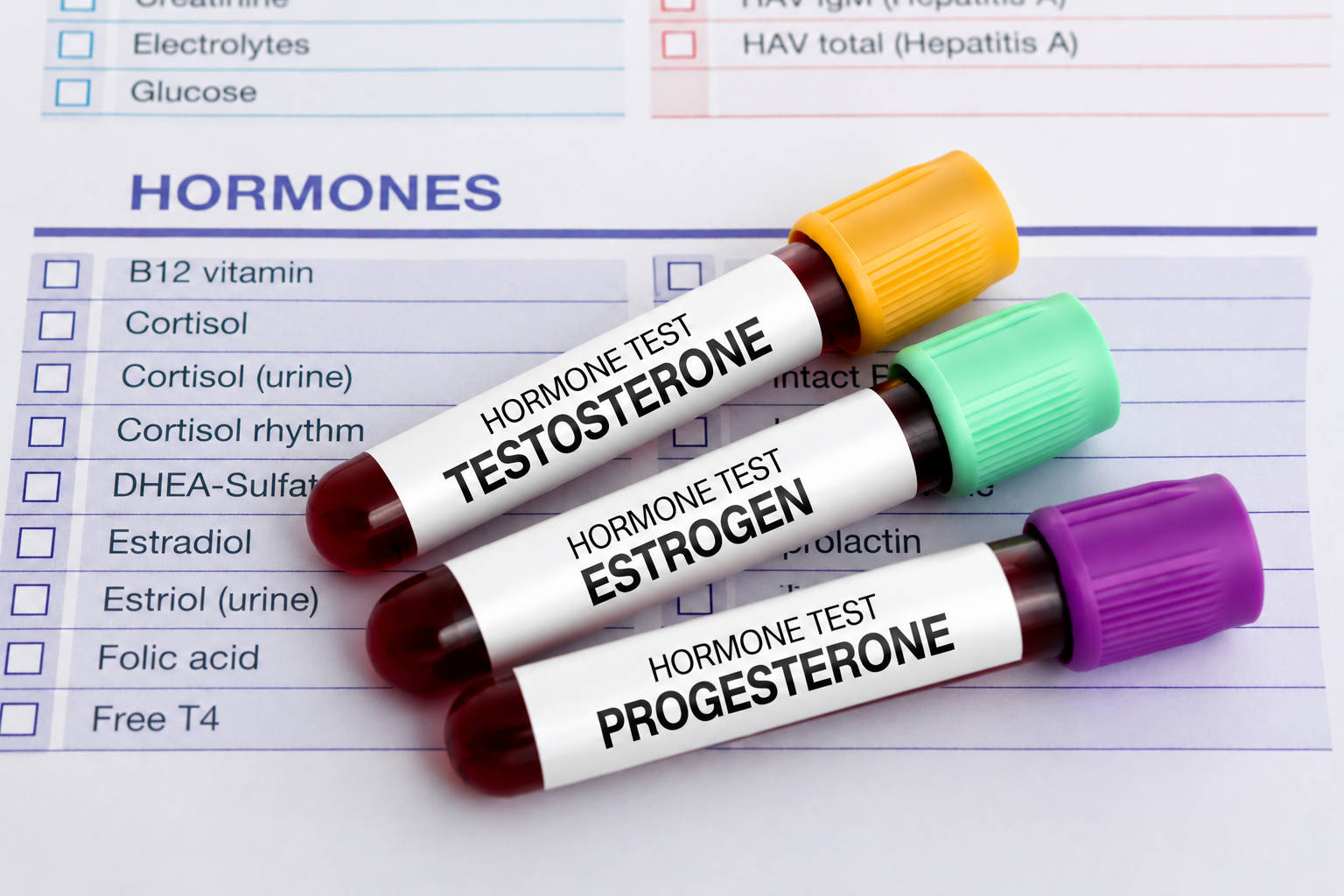
Hormone Replacement Therapy (HRT) is a medical treatment that restores hormones like estrogen, progesterone, and sometimes testosterone when they fall below optimal levels.
It’s commonly used during menopause in women and can also support broader hormone balance in men and women when symptoms are linked to multiple hormone changes.
HRT is based on lab testing and personalized dosing to bring hormone levels back into a healthy range—not higher than normal.
Testosterone Replacement Therapy (TRT) is a specific type of hormone therapy focused on men with low testosterone levels.
When testosterone is low, men may experience fatigue, low libido, reduced muscle mass, weight gain, brain fog, irritability, and low motivation.
TRT uses lab testing to confirm low testosterone, then prescribes controlled doses to restore levels into a normal range. Treatment is adjusted over time based on symptoms and follow-up labs.
Both HRT and TRT start with lab testing to understand current hormone levels. A personalized treatment plan is then created based on those results.
Medication is prescribed in carefully measured doses and monitored over time. Adjustments are made based on how the body responds and follow-up testing.
Hormones control a wide range of functions in the body—energy, sleep, metabolism, mood, and sexual health. When levels are low, replacing them can help restore balance and improve how you feel day to day.
Many people report improved energy, better sleep, stronger focus, more stable mood, increased libido, easier weight management, and an overall improvement in well-being.
Treatment is ongoing and adjusted as needed to stay safe, effective, and personalized.
HRT effectively controls major menopause symptoms like hot flashes, night sweats, vaginal dryness, and recurring UTIs, while also mitigating sleep issues, mood shifts, and brain fog. Initiating treatment within a decade of your final cycle also significantly decreases your risk of developing heart disease and bone density loss.
For most women, starting hormone therapy within 10 years of menopause is highly beneficial. The advantages of relief from hot flashes and stronger bones are much greater than the potential health risks
You don’t have to wait for your periods to stop completely. The ideal time to start treatment is during perimenopause, as soon as your very first symptoms appear, and up to 10 years after your final period.
Treatment is available through oral pills, skin patches, topical gels, sprays, or localized vaginal rings and creams.
Most women notice improvements in hot flashes and sleep within a few weeks, though full benefits take up to three months.
Yes, if you still have a uterus, progesterone is required to protect the uterine lining from an increased risk of cancer.
You may experience temporary breast tenderness, mild headaches, bloating, or breakthrough bleeding, which typically resolve in a few weeks.
While HRT does not cause weight loss, it can help manage the metabolic shifts and abdominal fat redistribution driven by declining estrogen.
You don’t start treatment for just one random issue. You start because your daily life is finally feeling the hit. Your energy is tanking, you aren't sleeping right, your focus is shot, and you just feel off.
Starting treatment lets you see if fixing a measurable hormone imbalance will change how you feel. It gives you a structured, clear path to tackle the exact symptoms that aren't going away on their own.
Your hormone therapy works best when it is backed by your own real medical data, not guesswork. That means starting with your lab tests, looking closely at your symptoms, and building a plan around what your body needs.
From there, you get regular check-ins and adjustments, so your routine stays safe, works well, and hits your personal goals.

(Only available for patients in California)
Hormone Replacement Therapy (HRT) and Testosterone Replacement Therapy (TRT) are personalized medical treatments designed to restore healthy hormone levels and improve symptoms related to aging and hormone imbalance. Through lab testing, ongoing monitoring, and customized treatment plans, these therapies may help improve energy, sleep, focus, mood, metabolism, libido, and overall quality of life for both men and women.