
June 8, 2026
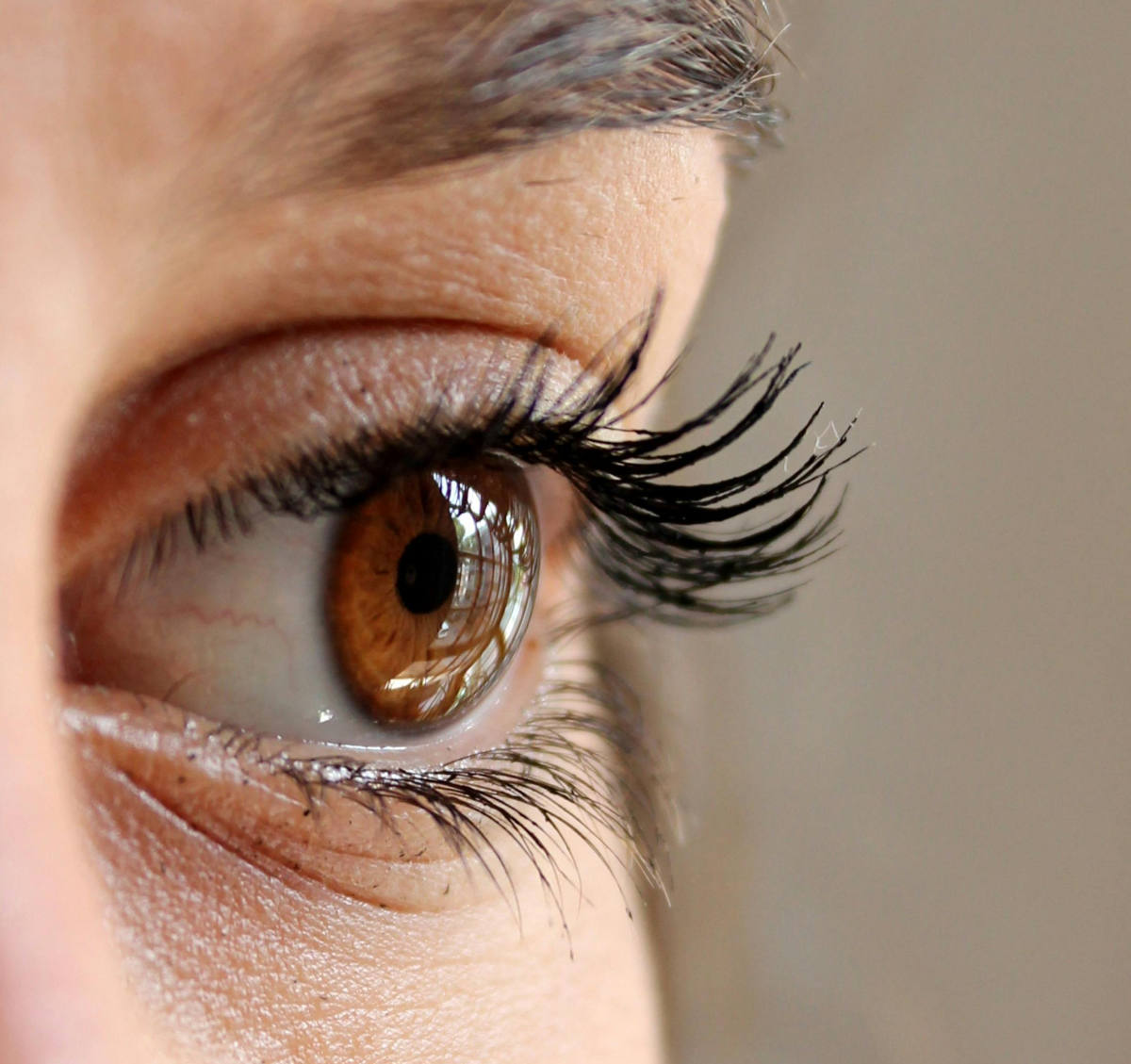
In contemporary beauty culture, there has been a gradual shift away from visible excess and toward practices that prioritize maintenance, restraint, and long-term skin and hair health. Eyelashes have become part of this quieter approach to beauty. Rather than focusing only on immediate enhancement, more attention is now placed on the condition of the lash line itself and how daily habits influence its appearance over time.
Eyelashes are small, but biologically active structures. Their density, length, and resilience are influenced by repeated cycles of growth and shedding. While cosmetics and enhancement methods may alter their appearance temporarily, the foundation of lash quality remains rooted in care, consistency, and physiological balance.
The lash line is not simply a cosmetic border. It is an active biological environment where hair follicles sit near sensitive skin and ocular structures. Because of this, it is particularly responsive to external stressors such as friction, product buildup, and irritation.
When the lash line is stable and well maintained, lashes tend to appear more uniform and less prone to breakage. When it is disrupted, changes may be gradual but noticeable over time, often presenting as uneven density or increased shedding.
From a dermatological standpoint, follicular health is influenced by both external care and internal conditions. This means that lash appearance is not determined by a single factor, but by a combination of repeated behaviors and biological rhythms.
One of the most important yet often underestimated aspects of lash care is cleanliness. The eyelid margin naturally accumulates oil, environmental particles, and cosmetic residue throughout the day. If not properly removed, this buildup can interfere with the normal function of the follicle environment.
Effective cleansing is not about intensity, but about precision and consistency. The goal is to remove residue without disrupting the skin barrier or applying unnecessary pressure to the lashes themselves.
A careful approach includes allowing cleansing products sufficient time to dissolve makeup before removal, using minimal friction, and ensuring that the lash base is not repeatedly rubbed or scrubbed. Over time, this helps maintain a more stable environment for natural lash cycling.
Although eyelashes are resilient in appearance, they are structurally delicate. Small daily actions, when repeated consistently, can influence their condition more than occasional treatments or interventions.
Mechanical stress often comes from habits that feel harmless in isolation. Rubbing the eyes during fatigue or irritation, applying pressure during makeup removal, or repeatedly using eyelash curlers can all contribute to gradual weakening of the lash fiber.
The key consideration is not avoidance of all interaction, but reduction of unnecessary force. When lashes are handled gently and consistently, they are more likely to retain their natural length and structure through each growth cycle.
Eyelashes follow a biological cycle consisting of growth, transition, and rest phases. Each individual lash is at a different stage at any given time, which is why lash density can appear uneven during periods of shedding or regrowth.
These cycles are continuous and cannot be accelerated in a linear way through external care alone. Instead, the role of daily habits is to support the follicle environment so that each cycle progresses without disruption.
Over time, consistency in care tends to produce a more balanced and uniform appearance, not because lashes are fundamentally altered, but because fewer external interruptions occur during their natural progression.
While external care practices are visible and immediate, internal health plays a quieter but significant role in hair quality. Eyelashes are composed primarily of keratin, a structural protein that depends on adequate nutritional support for production and maintenance.
Dietary protein contributes to the formation of hair fibers, while micronutrients such as iron support oxygen delivery to follicles. Essential fatty acids play a role in maintaining cellular integrity, and overall hydration supports tissue function at a systemic level.
These internal factors do not produce instant cosmetic change, but they establish the baseline conditions under which hair, including eyelashes, develops.
Although general care habits can support lash appearance, there are situations where clinical evaluation is appropriate. Noticeable thinning, sudden shedding, or persistent changes in lash density may indicate underlying conditions that require medical attention rather than cosmetic adjustment.
In some cases, clinicians may recommend targeted treatments that influence the hair growth cycle at a biological level. Prescription options such as prostaglandin analogs have been studied for their effect on extending the growth phase of eyelashes. These types of interventions should only be used under professional supervision, as they require assessment of suitability, potential side effects, and ongoing monitoring.
Clinical guidance is also important when lash concerns are associated with dermatological conditions, hormonal changes, or ocular sensitivity. In these instances, a structured medical approach ensures that treatment is aligned with overall eye and skin health rather than isolated cosmetic goals.
Across all aspects of lash maintenance, one principle remains consistent. Long term appearance is shaped less by isolated actions and more by repeated behavior over time. Gentle cleansing, reduced mechanical stress, and stable routines contribute more to lash quality than occasional intensive interventions.
This approach does not rely on transformation. Instead, it focuses on preservation and balance, allowing natural processes to function without unnecessary disruption.
Eyelash care is most effective when it is approached as a long-term practice of maintenance rather than a short-term pursuit of change. When the lash line is kept clean, minimally stressed, and supported through consistent habits, lashes tend to reflect a more even and refined appearance over time.
Natural elegance, in this sense, is not achieved through force. It is maintained through attention, restraint, and an understanding of how small daily choices accumulate into visible outcomes.
Alonso, L., & Fuchs, E. (2006). The hair cycle. Journal of Cell Science, 119(3), 391–393.
Blume-Peytavi, U., Hillmann, K., Dietz, E., Canfield, D., & Bartels, N. G. (2011). Prostaglandin-related effects on eyelash growth and hair follicles. Dermatology, 223(1), 1–7.
Mirmirani, P. (2013). Managing hair loss in women. International Journal of Women’s Dermatology, 1(1), 1–11.
Stenn, K. S., & Paus, R. (2001). Controls of hair follicle cycling. Physiological Reviews, 81(1), 449–494.