
September 9, 2026
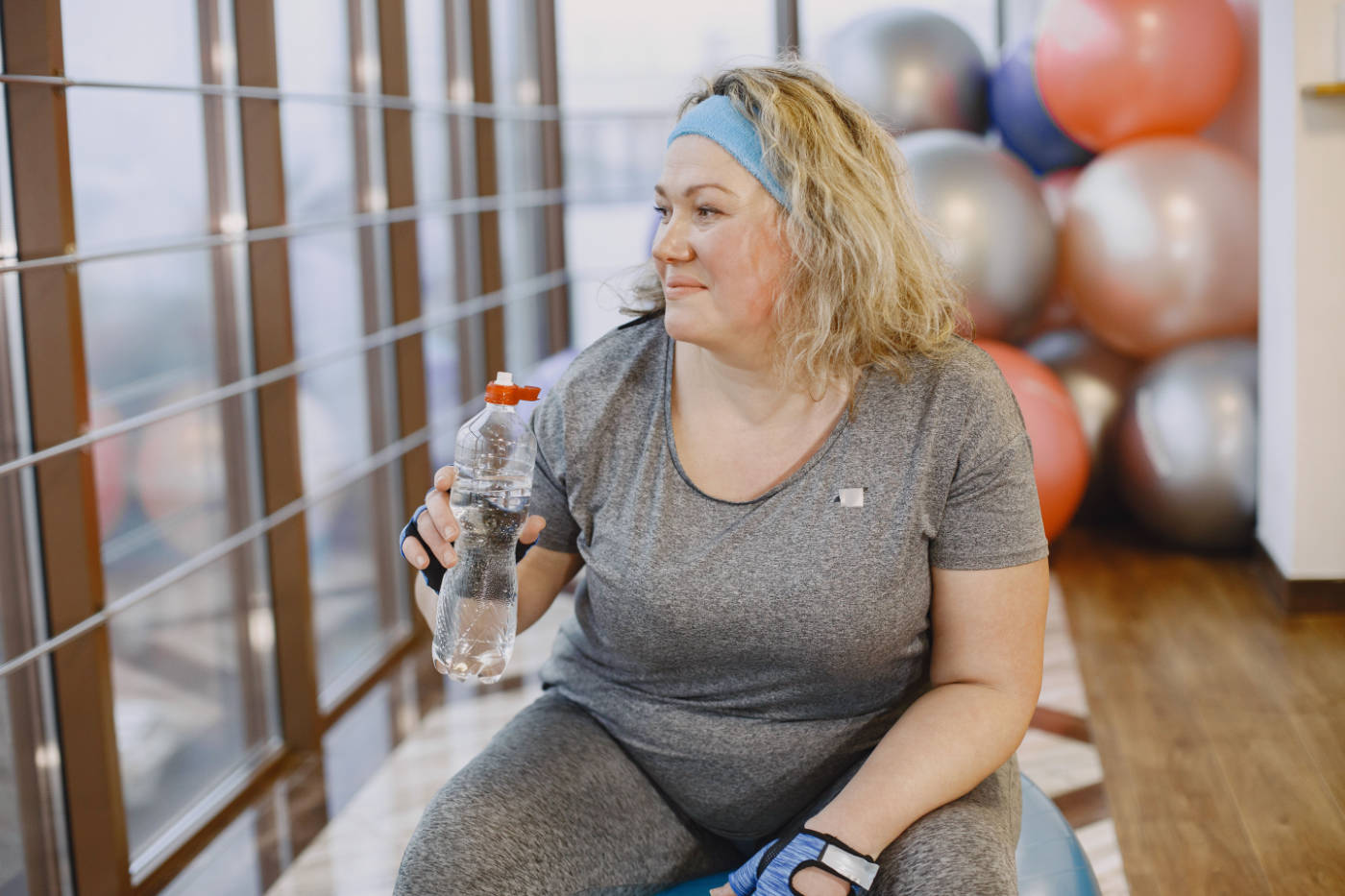
Losing weight after 60 can feel very different from losing weight in your 30s or 40s.
You may eat the same foods you used to eat, walk regularly, and still find that the weight comes off much more slowly. For some people, health conditions, medications, joint pain, or simply having less energy can make exercise and dieting more difficult.
This is one reason GLP 1 medications have attracted so much attention among older adults looking for another option for weight management.
But there is an important question that does not get discussed as often: What does safe weight loss actually look like when you are older?
For an older adult, successful weight loss is not just about seeing a smaller number on the scale. It can mean being able to walk farther, move more comfortably, maintain strength, and reduce some of the health problems associated with excess weight.
Older adults often describe weight loss differently from younger people.
In a qualitative study of adults age 65 and older, participants said that methods that had worked when they were younger no longer produced the same results. One 71 year old woman explained that when she was younger, a week of eating less could lead to noticeable weight loss, but later in life she might lose only a pound despite making similar efforts. Another participant, age 69, said that eating less did not seem to make the same difference it once had.
These experiences are important because they show why weight loss can be frustrating for older adults. It is not always a matter of lacking discipline.
Age related changes in metabolism, activity levels, muscle mass, appetite, medications, and health conditions can all affect body weight. The National Institute on Aging also notes that healthy weight management in later life needs to take into account both excess weight and the risk of becoming underweight or losing too much muscle.
For many older adults, the goal is not to look a certain way.
It may be wanting to walk without getting tired so easily. It may be being able to play with grandchildren, travel comfortably, climb stairs, or keep doing favorite activities.
That came through clearly in research involving older adults who had tried to lose weight. Participants talked about health, mobility, and quality of life, rather than simply appearance. Some also said that they wished they had received more practical guidance from healthcare professionals about managing their weight as they got older.
That is an important way to look at GLP 1 treatment.
The question should not simply be, "How many pounds can I lose?"
A better question may be, "How can I lose excess weight while staying strong and healthy?"
A 2026 case series described the experience of a 69 year old man who discussed weight management with his healthcare provider and decided to use a GLP 1 medication along with lifestyle changes.
His experience is particularly relevant to older adults because his treatment was not presented as medication alone.
He began losing weight within the first few weeks and tolerated treatment well. At the same time, he increased his intake of vegetables and protein and added strength training to his exercise routine. His medication was covered by insurance because he also had type 2 diabetes, so cost was not a barrier for him.
There is a useful lesson in this example.
The medication was only one part of the plan.
The patient also worked on the things that become increasingly important with age: eating enough nutritious food, getting adequate protein, and maintaining strength.
Not every person will have the same experience. Some people lose weight quickly, while others lose more gradually. Some respond very well, while others may see little change. The response can vary considerably from one person to another.
An older adult can lose weight and still need to pay close attention to strength.
This is one of the main concerns researchers have raised about weight loss treatment in older adults. Losing body fat can be beneficial, but losing too much muscle may contribute to weakness, difficulty with movement, and frailty.
That is why an older adult using a GLP 1 medication may want to pay attention to more than weight.
Can you still get up from a chair easily?
Are you able to walk as much as you did before?
Are you eating enough protein?
Are you keeping up with activities that require strength?
These questions can tell you more about how your body is responding than the scale alone.
The 69 year old patient described above incorporated strength training and increased protein into his routine specifically in the context of protecting his health while losing weight. Researchers in the case series emphasized the importance of adequate protein and resistance exercise for older adults receiving GLP 1 therapy.
One of the changes people often notice during weight loss treatment is that they may simply feel less interested in food.
For someone who has struggled with overeating for years, this can be a welcome change.
But older adults need to be careful not to let reduced appetite turn into inadequate nutrition.
A smaller appetite can make it harder to get enough protein and other important nutrients. This matters because maintaining muscle becomes increasingly important with age.
Research involving older adults who participated in a six month weight loss program found that increasing protein intake was one of the challenges participants encountered. They also described practical strategies such as controlling portions, allowing flexibility with meals, tracking progress in different ways, and getting support from others.
In other words, healthy weight loss does not have to mean eating as little as possible.
It means making the food you do eat count.
Research looking at people's experiences with semaglutide has found that the benefits can go beyond the number on the scale.
In one qualitative study, participants described being able to do activities that had become difficult when they were heavier. Some talked about being able to play with their children, walk their dogs, and participate in activities with less pain and fatigue. One participant described wanting to stay healthy enough to walk their dogs and go camping in the mountains after retirement.
These are the kinds of changes that can make weight loss feel meaningful.
For an older adult, losing 20 pounds may be valuable. But being able to walk around the neighborhood again without stopping every few minutes may be even more valuable.
It is also important to be realistic about GLP 1 treatment.
Some people experience substantial weight loss. Others lose more slowly. Some may eventually stop responding as well as they initially did. And some people may decide that the treatment is not right for them.
A recent qualitative study of people using GLP 1 medications found that participants reported a wide range of experiences. Many appreciated having less appetite and less constant preoccupation with food, while others described challenges involving side effects, cost, access, and the need for better clinical support.
Another study of people using semaglutide found that some participants felt the treatment was life changing after years of trying different diets and weight loss approaches. At the same time, the researchers found that patients needed more individualized guidance from healthcare professionals, particularly when it came to treatment decisions and monitoring.
These experiences are a reminder that there is no single "normal" GLP 1 journey.
For older adults considering GLP 1 treatment, the best approach is to look at the bigger picture.
Weight loss may help reduce some of the health risks associated with obesity. But preserving muscle, maintaining mobility, eating enough nutritious food, and staying physically active should remain part of the plan.
It is also worth remembering that older adults are not all the same. Someone in their 60s who is active and strong may have very different needs from someone in their 80s who has difficulty walking or has already experienced muscle loss.
This is why treatment should be individualized.
Starting a weight loss medication should not be based solely on what worked for a friend, family member, or someone online.
An older adult may have several medical conditions and may already be taking multiple medications. A healthcare professional can look at the person's overall health and determine whether weight loss is appropriate, how much weight loss may be reasonable, and how to monitor progress.
This is especially important when there are concerns about nutrition, muscle strength, kidney function, blood sugar, or other age related health issues.
A healthcare provider can also help distinguish between healthy, intentional weight loss and weight loss that may be happening too quickly or for another medical reason.
Weight loss does not have to be about chasing the lowest number possible.
For an older adult, success may look like putting on a favorite pair of pants again. It may mean walking around the grocery store without needing to rest. It may mean having enough energy to travel, garden, play with grandchildren, or enjoy retirement.
GLP 1 medications may be one tool that helps some people get there.
But the medication is only part of the picture.
The most meaningful goal is to lose excess weight while protecting the things that help you enjoy life: your strength, mobility, nutrition, independence, and overall health.
Getting older may make weight loss more challenging, but it does not mean that healthy change is out of reach. The right approach is one that considers not only how much weight is lost, but also how you feel, how you move, and how well you can continue doing the things that matter to you.
Jackson, S. E., Holter, L., & Beeken, R. J. (2019). "Just because I'm old it doesn't mean I have to be fat": A qualitative study exploring older adults' views and experiences of weight management. BMJ Open, 9(2), e025680.
National Institute on Aging. (2022). Maintaining a healthy weight. National Institutes of Health.
Peklar, J., et al. (2025). "This is my decision": A qualitative study of individuals' perspectives on use of semaglutide for weight loss. Basic & Clinical Pharmacology & Toxicology.
Prokopidis, K., Daly, R. M., & Suetta, C. (2025). Weighing the risk of GLP 1 treatment in older adults: Should we be concerned about sarcopenic obesity? The Journal of Nutrition, Health & Aging, 29(10), 100652.
Toma, L., Buckley, K., & Early, N. (2026). Geriatric pharmacotherapy case series: GLP 1 receptor agonists for weight management in older adults. The Consultant Pharmacist, 41(3), 78–87.
WegovyWeightLoss Community Research Group. (2025). A qualitative analysis of patient experiences using semaglutide 2.4 mg for weight loss. Obesity Science & Practice.