
October 23, 2026
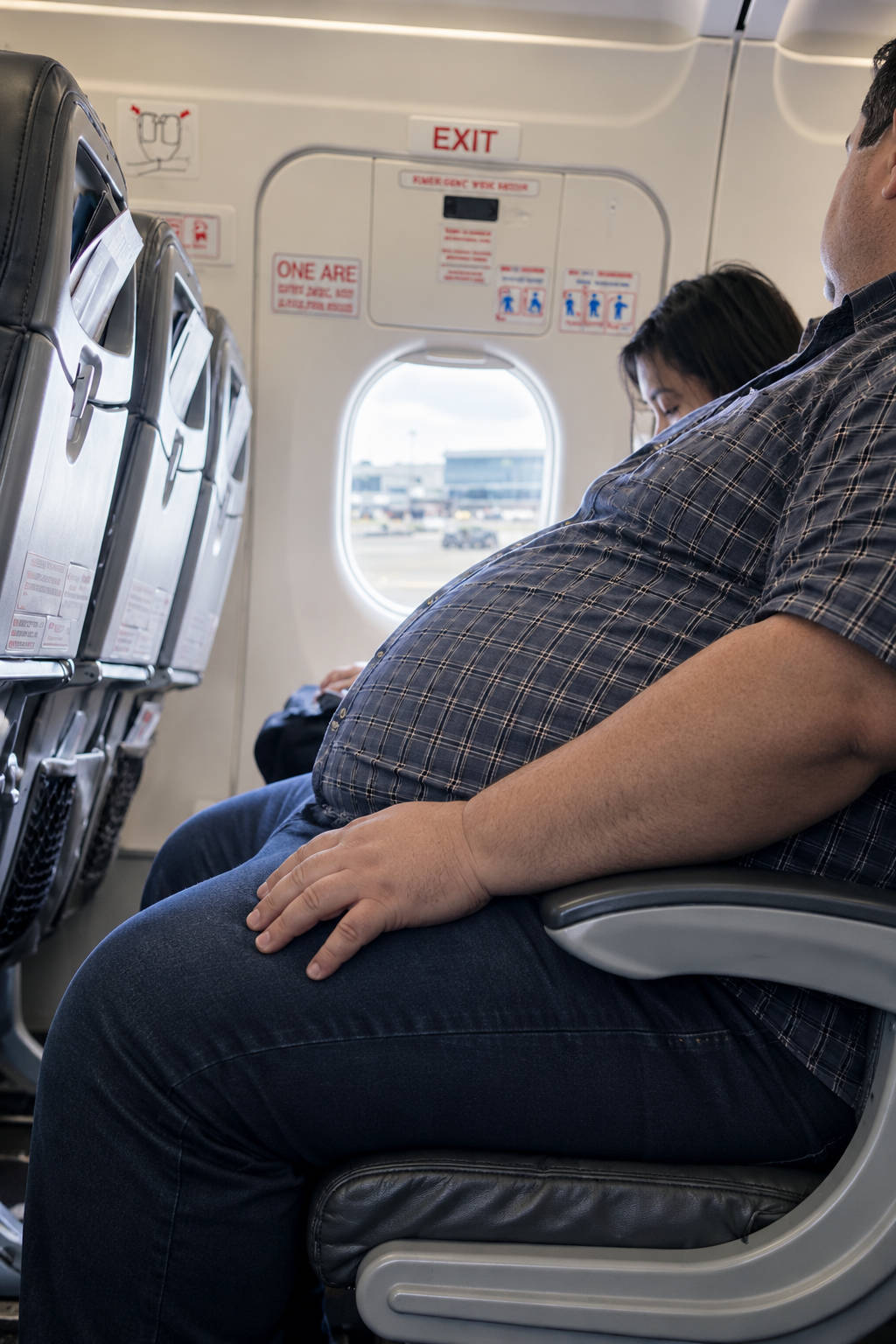
Imagine struggling to stand up from your favorite chair. Walking to the kitchen leaves you breathless, and a short trip outside feels like a major task. Slowly, you begin turning down invitations, avoiding activities you once enjoyed, and relying more on other people for help.
For some people living with severe obesity, this is not an imaginary situation. Excess weight can place additional stress on the knees, hips, and other joints, making movement more difficult. It can also contribute to health conditions that affect stamina, balance, and everyday independence.
The hardest part? Mobility problems may develop gradually. What begins as discomfort when climbing stairs can eventually interfere with getting dressed, bathing, or walking across a room.
But there is an important conversation to have before those difficulties become severe: Could treating obesity earlier help protect mobility and quality of life?
GLP 1 medications are becoming an important part of that conversation.
Obesity is more than a number on the scale. It is a chronic health condition that can affect several parts of the body, including the joints, heart, lungs, and metabolic system.
Carrying excess weight can increase the mechanical load placed on weight bearing joints. This may worsen knee and hip pain, particularly in people with osteoarthritis. Obesity can also occur alongside conditions such as type 2 diabetes, cardiovascular disease, and sleep apnea, which may further affect physical function.
When movement becomes painful or exhausting, people may naturally become less active. Less activity can contribute to reduced muscle strength and physical conditioning, making everyday tasks even harder.
This cycle can be difficult to break.
It is important to remember that disability does not look the same for everyone. Not every person with obesity will experience severe mobility limitations, and mobility challenges can have many causes. However, recognizing weight related health concerns early creates an opportunity to discuss treatment before they become more difficult to manage.
GLP 1 stands for glucagon like peptide 1, a hormone naturally produced in the body that helps regulate blood sugar and appetite.
Certain prescription medications mimic this hormone to help people feel full, reduce hunger, and manage their weight. Semaglutide is one example. Tirzepatide acts on both GIP and GLP 1 hormone receptors.
For eligible people living with obesity, these medications can support meaningful weight loss when combined with appropriate nutrition, physical activity, and ongoing medical care.
But what does that mean for mobility?
Reducing excess body weight may lessen some of the load placed on the knees and hips. For people whose movement is affected by weight related joint pain, this may make daily activities more manageable. Improvements in certain weight related health conditions may also support overall physical well being.
Research on obesity treatment has shown benefits beyond weight reduction in specific patient groups. However, the degree of improvement depends on a person's health, existing joint damage, muscle strength, and other factors.
GLP 1 medications are not specifically designed to prevent every form of disability. Rather, they can be one component of treating obesity and reducing some of its associated health risks.
Consider two people experiencing weight related knee discomfort.
One decides to discuss the problem with a healthcare professional while they can still walk comfortably for short distances. The other waits until pain and limited movement interfere with most daily activities.
Their circumstances may be very different, and treatment cannot guarantee a particular outcome for either person. Still, recognizing obesity and its complications earlier can create more opportunities to manage symptoms, protect physical function, and address other health concerns.
The World Health Organization recognizes obesity as a chronic disease that requires ongoing care. Its guidance supports considering GLP 1 therapies for long term obesity treatment in eligible adults, alongside comprehensive health and lifestyle support.
Early care does not automatically mean starting medication. Depending on the person's needs, a treatment plan may include nutrition counseling, physical therapy, joint care, behavioral support, medication, or other medical interventions.
The goal is to address the whole picture rather than wait until daily activities become increasingly difficult.
When discussing obesity treatment, it is easy to focus entirely on pounds lost or changes in clothing size.
Yet someone experiencing mobility difficulties may have a different priority. They may want to walk farther without discomfort, climb a few steps more comfortably, stand long enough to prepare a meal, or maintain their independence as they grow older.
These goals matter.
A healthcare team can help patients identify realistic improvements in physical function alongside weight management. Depending on their condition, some people may benefit from supervised movement, strengthening exercises, physical therapy, or other support.
Nutrition also deserves attention. During weight loss, adequate protein and essential nutrients help support muscle maintenance and overall health. Losing weight without paying attention to nutritional needs can leave a person weaker rather than healthier.
For this reason, treatment should not simply aim for a lower number on the scale. It should support a healthier, more functional body.
A qualified healthcare provider can review a person's medical history, assess weight related complications, determine whether medication is appropriate, and monitor progress throughout treatment.
This is especially important for anyone already struggling to stand, walk, or complete daily activities. Severe mobility limitations deserve medical evaluation because they may involve joint disease, neurological conditions, cardiovascular problems, or other issues that weight loss medication alone cannot address.
Patients should not obtain GLP 1 medications from unverified sources or use someone else's prescription. Treatment should be individualized and supervised by a qualified professional.
Obesity related mobility problems can affect more than physical movement. They can influence confidence, independence, social connections, and quality of life.
The good news is that people have options for managing obesity, and seeking help does not need to wait until movement becomes severely limited.
For some adults, GLP 1 medications may be an effective part of long term treatment. For others, a different combination of medical care and supportive interventions may be more appropriate.
What matters is finding a plan that addresses your individual needs before weight related health problems become harder to manage.
If excess weight is making it difficult to move comfortably, speak with a healthcare professional about your concerns and available treatment options.
The goal is not simply to lose weight. It is to protect your health, preserve your mobility, and help you continue doing the things that make everyday life meaningful.
Celletti, F., Farrar, J., & De Regil, L. M. (2026). World Health Organization guideline on the use and indications of glucagon like peptide 1 therapies for the treatment of obesity in adults. JAMA, 335(5), 434–438.
National Institute of Diabetes and Digestive and Kidney Diseases. (n.d.). Prescription medications to treat overweight and obesity. U.S. Department of Health and Human Services.
U.S. Food and Drug Administration. (2021, June 4). FDA approves new drug treatment for chronic weight management, first since 2014.
World Health Organization. (2025, December 1). WHO issues global guideline on the use of GLP 1 medicines in treating obesity.