
September 15, 2026
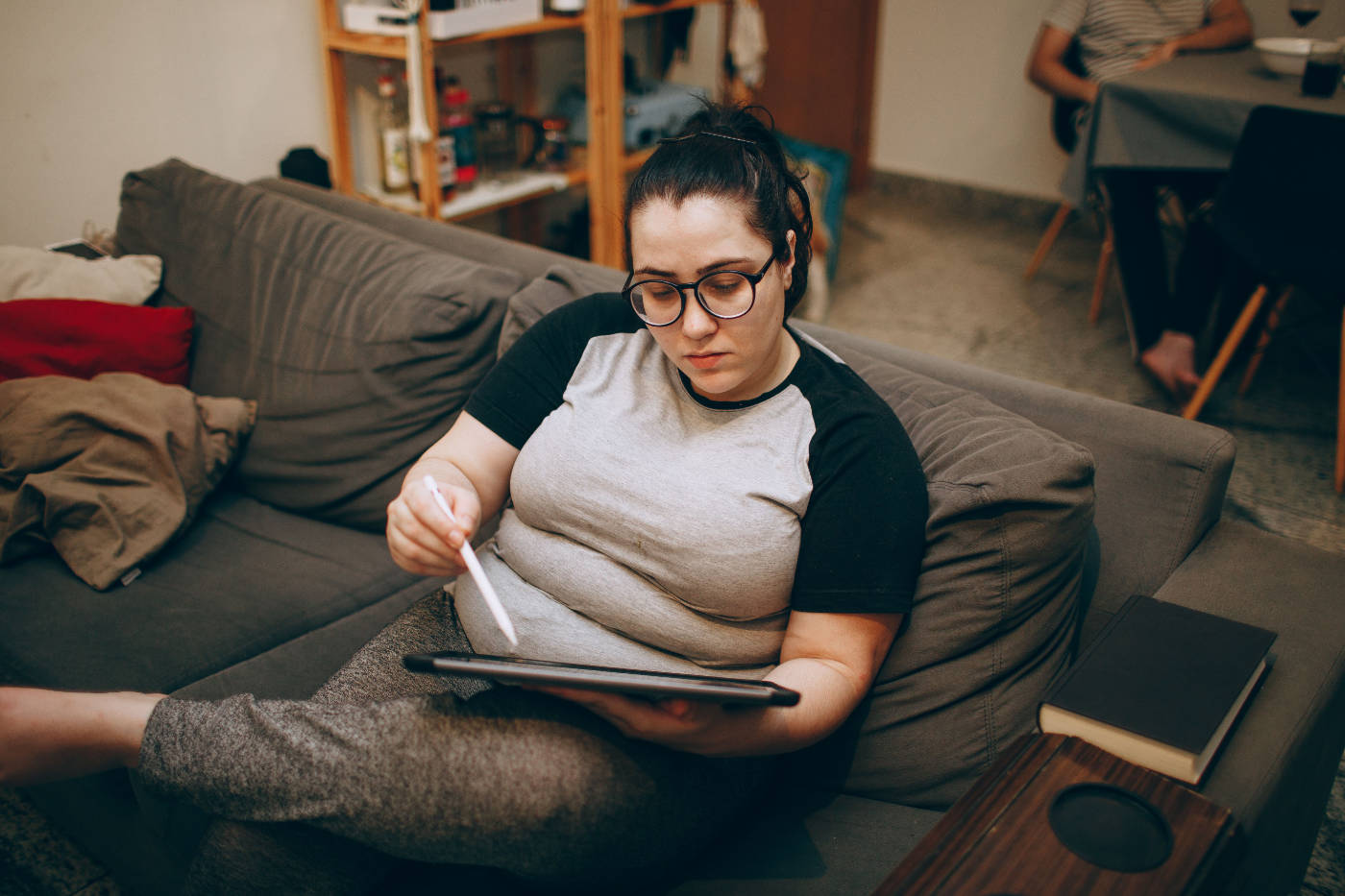
There are days when the alarm goes off and the first thought is already about work. Then come the emails, meetings, errands, household responsibilities, family, and everything else that somehow needs attention before the day ends.
By the time evening arrives, you finally sit down and realize you have barely moved.
“I will exercise tomorrow.”
It sounds familiar because most of us have said it.
The problem is that tomorrow can easily become next week, next month, and eventually another year.
Taking care of yourself does not mean having a completely free schedule. It means learning to make room for the things that help you feel well, even when life is busy. Exercise is one of those things.
A busy schedule can make self care feel like something you have to earn.
You may think you need a full hour at the gym, a carefully planned meal, or a completely free afternoon before you can say you are taking care of yourself.
But health does not always require that much time.
The Centers for Disease Control and Prevention recommends that adults get at least 150 minutes of moderate intensity physical activity each week, along with muscle strengthening activities at least two days a week. That may sound like a lot at first, but those minutes can be spread throughout the week and divided into smaller periods.
A brisk 20 minute walk before work.
A short workout during lunch.
Taking the stairs.
Walking while talking on the phone.
A quick strength workout at home.
These things count.
You do not have to build your entire life around exercise. You simply have to stop treating movement as something that only belongs on a completely free day.
One of the easiest mistakes we make is thinking that a workout only matters if we sweat for an hour.
In reality, physical activity can be part of everyday life. Walking, cycling, household activities, recreational activities, and planned exercise can all contribute to being more active.
This is good news for people with demanding schedules.
Maybe you cannot spend an hour at the gym today. That does not mean you should spend the entire day sitting.
A ten minute walk is still movement.
A short stretching session is still movement.
A few sets of bodyweight exercises are still movement.
Starting small can also make exercise feel less overwhelming. The World Health Organization recommends that inactive adults begin with small amounts of physical activity and gradually increase the duration, frequency, and intensity over time.
The goal is not perfection. The goal is consistency.
Instead of asking, “When will I have enough time to work out?”
Try asking, “Where can I find ten or twenty minutes today?”
That small change in thinking can make exercise much more realistic.
If your mornings are busy, perhaps a short walk after work is easier.
If your evenings are unpredictable, perhaps exercising before your day becomes complicated works better.
If you work from home, use a short break to walk around instead of staying at your desk.
If you spend much of your day on the phone, take some calls while walking when appropriate.
There is no single perfect time to exercise. The best time is often the one you can realistically repeat.
Self care is sometimes associated with relaxing, getting a massage, taking a vacation, or spending a quiet afternoon doing something enjoyable.
Those things can certainly be part of caring for yourself.
But self care can also look less glamorous.
It can look like going for a walk when you would rather stay on the couch.
It can mean choosing movement instead of another hour of sitting.
It can mean strengthening your muscles because you want your body to continue carrying you comfortably through the years ahead.
It can mean protecting your future health while still enjoying your present life.
Regular physical activity is associated with benefits for heart health, metabolic health, mental health, sleep, physical function, and overall well being.
That makes exercise more than a way to change how you look.
It is an investment in how you want to live.
A good quality of life is not created only during vacations or special occasions.
It is built during ordinary Tuesdays.
It is built when you have enough energy to play with your children.
It is built when walking does not feel like a chore.
It is built when your body feels strong enough to carry groceries, climb stairs, travel, work, and enjoy everyday activities.
It is also built through the small decisions nobody else sees.
Going to bed instead of endlessly scrolling.
Preparing a nourishing meal instead of always relying on convenience.
Taking a walk even when the day has been stressful.
Making time to exercise even when your schedule is full.
These choices may seem small individually, but they become meaningful when repeated.
You do not need to copy someone else's fitness routine.
If you enjoy walking, walk.
If you enjoy dancing, dance.
If you prefer strength training, lift weights.
If you like cycling, cycle.
If you only have 15 minutes, use those 15 minutes.
The CDC notes that some physical activity is better than none, and adults can spread their activity throughout the week rather than completing it all at once.
The routine that fits your actual life is often more useful than the routine that looks perfect on paper but never happens.
Many people keep waiting for a quieter season of life before taking better care of themselves.
After this project.
After the deadline.
After the children are older.
After work, it becomes less demanding.
After things settle down.
But life rarely stays quiet for long.
There will always be another responsibility.
That is why self care needs to exist alongside your responsibilities, not only after they disappear.
You do not need to completely change your lifestyle overnight. Start with a walk. Add a short workout. Stand up more often. Find activities you genuinely enjoy. Then build from there.
Your health deserves a place on your schedule, even when your schedule is full.
Because quality of life is not simply about having more years.
It is also about being able to enjoy the years you have with a body that you have cared for along the way.
Centers for Disease Control and Prevention. (2023). Adult activity: An overview. National Center for Chronic Disease Prevention and Health Promotion.
Centers for Disease Control and Prevention. (2023). What counts as physical activity for adults. National Center for Chronic Disease Prevention and Health Promotion.
World Health Organization. (2020). WHO guidelines on physical activity and sedentary behaviour. World Health Organization.
World Health Organization. (2022). Physical activity. World Health Organization.