July 3, 2026

Getting Thinner Without Losing Your Confidence: What to Do About Loose Skin During Your GLP-1 Journey

Loose skin during a GLP-1 weight-loss journey is a common result of significant fat loss—not the medication itself—and is influenced by age, genetics, total weight lost, muscle mass, nutrition, smoking, and sun exposure. Supporting skin health with protein, strength training, hydration, balanced nutrition, sunscreen, and time can help, while non-surgical treatments or body-contouring surgery may be options when loose skin affects comfort, confidence, or daily life.

June 25, 2026

The Effects of Taking GLP-1 on an Inconsistent Schedule

GLP-1 medications work best when taken on a consistent schedule because regular dosing helps maintain appetite control, fullness, craving reduction, and more predictable weight loss results. While one missed or delayed dose usually will not ruin progress, repeated inconsistencies may lead to increased hunger, stronger cravings, slower weight loss, blood sugar fluctuations, and more noticeable side effects when restarting after a long break.

June 9, 2026

Hormonal Changes and Hair Loss: Understanding the Connection

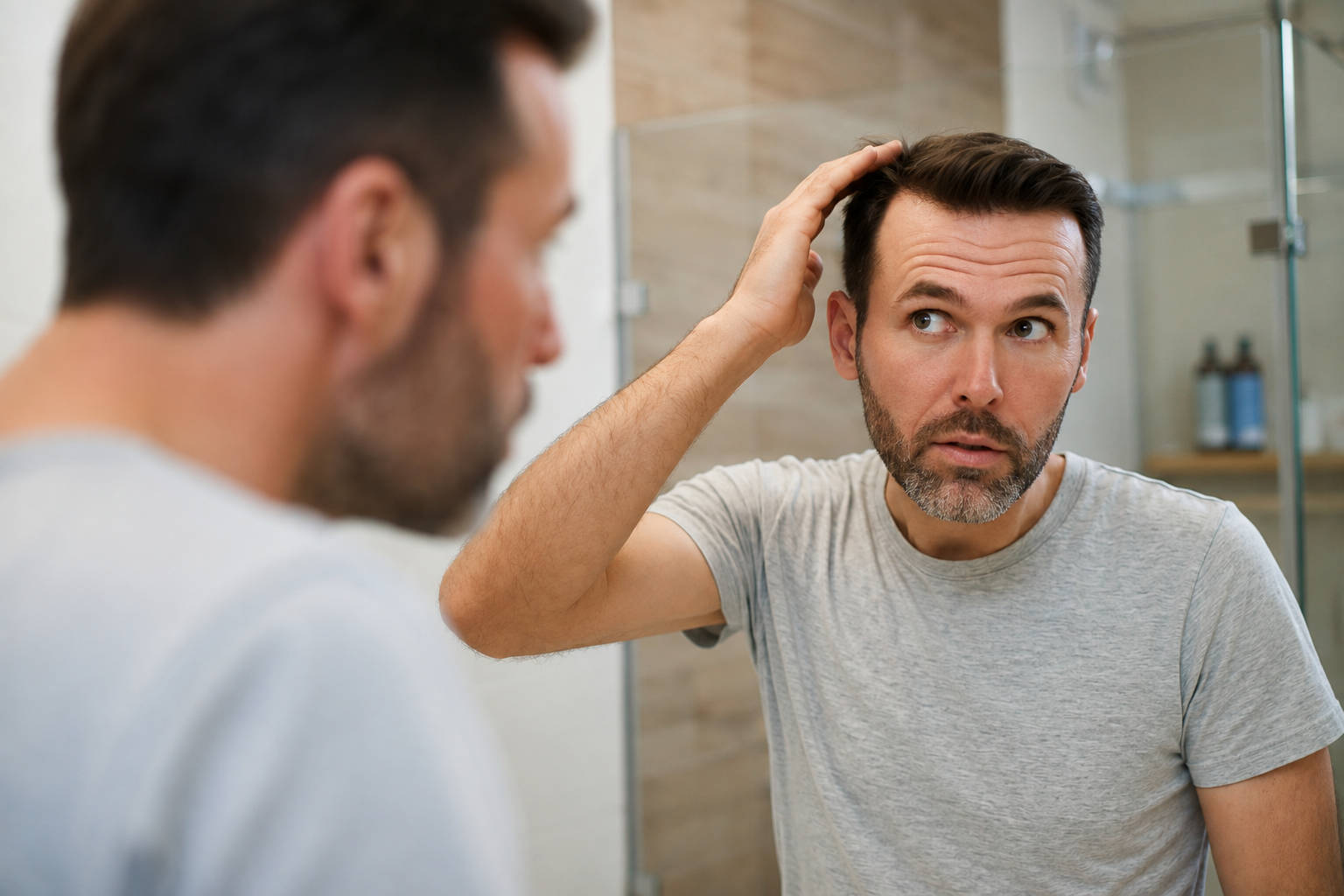
Hormones play a major role in regulating the hair growth cycle, and imbalances involving DHT, estrogen, thyroid hormones, or cortisol can contribute to thinning, shedding, or pattern hair loss. Because hormonal hair loss may be linked to conditions such as menopause, pregnancy, PCOS, thyroid disorders, or chronic stress, medical evaluation can help identify the cause and guide effective treatment.

May 25, 2026

Addressing Weight Regain or Plateau During GLP-1 Treatment

Weight loss plateaus and mild weight regain are a normal part of long-term GLP-1 treatment and usually reflect the body adapting to a lower weight rather than treatment failure. As the body becomes smaller and more energy-efficient, calorie needs decrease, which can slow progress even when habits remain consistent. Changes in appetite regulation, eating patterns, and loss of lean muscle mass can also contribute to plateaus, making adequate protein intake and resistance training important for maintaining results.

May 21, 2026

Modern Weight Loss in the Digital Age: The Truth About Virtual Support

Modern weight loss support has evolved beyond simple dieting, with research showing that sustainable results depend on behavioral psychology, emotional support, healthy habits, and personalized care rather than willpower alone. Virtual weight loss programs can improve accessibility and consistency by combining online coaching, progress tracking, lifestyle guidance, and medical support — including GLP-1 medications when appropriate — while helping people overcome barriers like busy schedules, stress, and shame around weight discussions.

May 13, 2026

Everything Thyroid Patients Should Know Before Taking GLP-1 Drugs

GLP-1 medications like semaglutide and tirzepatide can often be used safely by people with hypothyroidism or Hashimoto’s disease when monitored by a healthcare provider, though they are not recommended for individuals with a personal or family history of medullary thyroid carcinoma or MEN2 syndrome. Significant weight loss and delayed gastric emptying from GLP-1 therapy can affect thyroid hormone absorption and medication needs, making regular monitoring of TSH and free T4 levels important during treatment.