
November 4, 2026
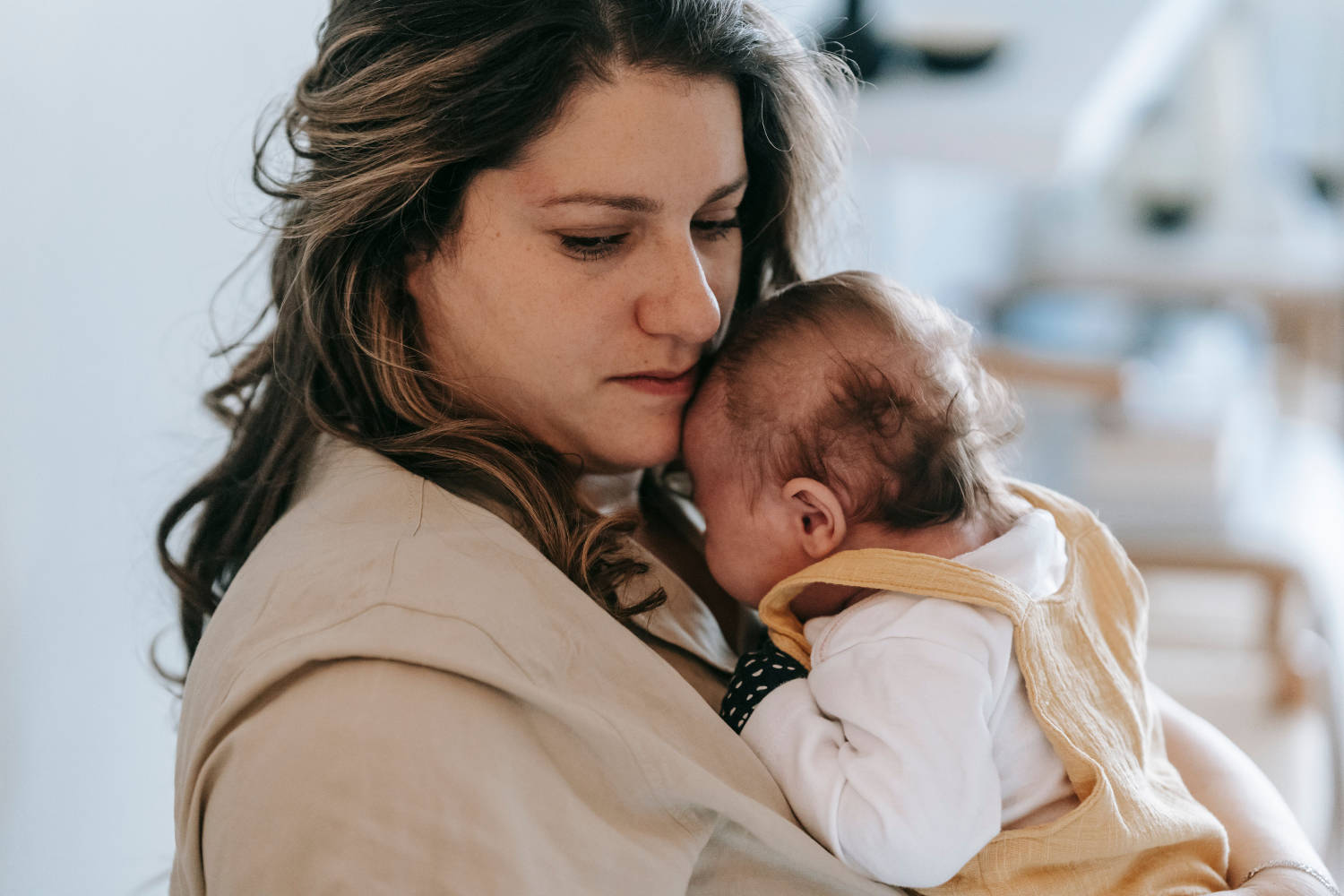
You finally have a little time to yourself after putting the baby down. While taking a shower, you run your fingers through your hair and notice something unusual. Strands are everywhere. Some are caught between your fingers, others are covering the shower drain, and a few seem to have made their way onto your clothes.
At first, you might think it is just another consequence of sleepless nights and caring for a newborn. But when the shedding continues, you may start wondering whether something is wrong.
If this sounds familiar, you are not alone. Many women experience noticeable hair shedding after childbirth. Although it can be frustrating, postpartum hair loss is usually a temporary part of the body's adjustment after pregnancy.
Have you ever noticed that your hair seemed thicker or fuller while you were pregnant? There is a biological reason for that.
During pregnancy, estrogen levels rise significantly. This hormone helps keep more hair follicles in their active growth phase, meaning fewer strands fall out during the usual daily shedding process.
Once the baby arrives, estrogen levels drop and gradually return toward their usual levels. Hair follicles that remained in the growth phase during pregnancy begin transitioning into their resting phase.
A few months later, many of those hairs shed around the same time.
This process is called telogen effluvium, a temporary form of excessive hair shedding. It is one of the most common explanations for hair changes after childbirth.
In simple terms, pregnancy temporarily allows you to hold on to more hair than usual. After delivery, your body catches up with the shedding that was delayed.
Postpartum hair shedding does not usually happen immediately after delivery. Because hair follicles need time to move through their natural growth cycle, the changes become noticeable several months later.
Here is what many women can expect:
During pregnancy: Hair may appear thicker because fewer strands are being shed.
Around two to four months after childbirth: Increased shedding often becomes noticeable.
Around the fourth month: Hair shedding may reach its peak.
Six to nine months postpartum: Shedding generally begins to settle, and hair gradually regains its fullness.
By the baby's first birthday: Most women have recovered much of their usual hair fullness.
These timelines can vary. Some women notice improvement earlier, while others need more time for their hair to return to its previous appearance.
Hormonal changes are the main reason behind typical postpartum hair shedding, but other factors can influence hair health during this period.
A new mother's body is recovering from pregnancy and childbirth while adjusting to the demands of caring for a newborn. Several factors may contribute to additional shedding:
Nutritional deficiencies: Low iron levels, inadequate protein intake, and other nutritional deficiencies may affect healthy hair growth. Pregnancy and childbirth can also involve significant changes in nutritional needs.
Thyroid changes: Some women develop postpartum thyroiditis, a condition involving inflammation of the thyroid gland. Changes in thyroid function can contribute to hair shedding.
Physical and emotional stress: Childbirth, disrupted sleep, recovery, and the demands of caring for a newborn can place considerable stress on the body. Significant physical or emotional stress may trigger additional telogen effluvium.
Rapid weight changes: Sudden weight loss and restrictive eating patterns can affect the nutrients available to support normal hair growth.
These factors do not mean every new mother will experience additional hair loss. They simply help explain why the amount and duration of shedding can differ from one person to another.
This is one of the questions many new mothers ask.
Breastfeeding is not considered the primary cause of postpartum hair loss. The main trigger is the hormonal shift that happens after childbirth, which can occur whether a mother breastfeeds or not.
However, breastfeeding increases nutritional demands. Mothers need adequate calories, protein, vitamins, and minerals to support their own health while producing breast milk.
If nutritional needs are not being met, deficiencies may contribute to hair concerns. This is why maintaining a balanced diet remains important during the postpartum period.
There is no guaranteed way to prevent normal postpartum shedding because it is largely part of the body's natural hormonal adjustment. However, a few simple habits can help protect your hair while it recovers.
Give your meals more nutritional value. Include protein sources such as eggs, fish, poultry, beans, and dairy products. Add iron containing foods, fruits, vegetables, and other nutrient rich options to support overall health.
Be gentle with your hair. Use a mild shampoo and conditioner, avoid excessive heat styling, and limit chemical treatments that can cause breakage.
Choose comfortable hairstyles. Tight ponytails, buns, and braids can place unnecessary tension on hair follicles. Looser hairstyles can help reduce this stress.
Avoid unnecessary supplements. More vitamins do not automatically mean faster hair growth. Supplements should address actual nutritional needs rather than be taken in excessive amounts.
Give yourself time to recover. Hair growth is gradual. New strands may take months to become long enough to restore the appearance of fullness.
Although postpartum hair loss is usually temporary, not every case of hair shedding is caused by childbirth.
If the shedding continues beyond the expected recovery period, becomes progressively worse, or is accompanied by noticeable bald patches, it is worth seeking medical advice.
A healthcare provider can assess the scalp, review your medical history, and determine whether additional testing is appropriate. Depending on your symptoms, they may recommend checking iron levels, blood counts, or thyroid function.
This is particularly important if you also experience unusual fatigue, dizziness, changes in weight, or other symptoms that could point to an underlying condition.
Before trying hair growth medications, high dose supplements, or specialized treatments, consult a qualified healthcare professional. Some treatments may not be appropriate during breastfeeding, and the right approach depends on the underlying cause of the shedding.
Postpartum hair loss can be an unexpected part of motherhood. Just when you are adjusting to a new routine, your hair seems to have its own plans.
The reassuring news is that most postpartum shedding is temporary. As hormone levels stabilize and the normal hair growth cycle resumes, many women gradually regain their usual hair fullness.
Remember, your body has gone through significant changes to bring a new life into the world. Give yourself time, nourish your body, and be gentle with your hair.
And if something does not feel right, you do not have to figure it out alone. A healthcare professional can help determine whether your hair shedding is part of normal postpartum recovery or a sign that something else needs attention.
Because taking care of yourself is also an important part of taking care of your little one.
American Academy of Dermatology Association. (2025). Hair loss in new moms: Dermatologist tips.
Cleveland Clinic. (2022). Postpartum hair loss: Causes, treatment & what to expect.
Gizlenti, S., & Ekmekci, T. R. (2014). The changes in the hair cycle during gestation and the post-partum period. Journal of the European Academy of Dermatology and Venereology, 28(7), 878–881.
Health Service Executive. (n.d.). Hair loss after giving birth.
Johns Hopkins Medicine. (n.d.). Postpartum hair loss.
Malkud, S. (2015). Telogen effluvium: A review. Journal of Clinical and Diagnostic Research, 9(9), WE01–WE03.