
August 11, 2026

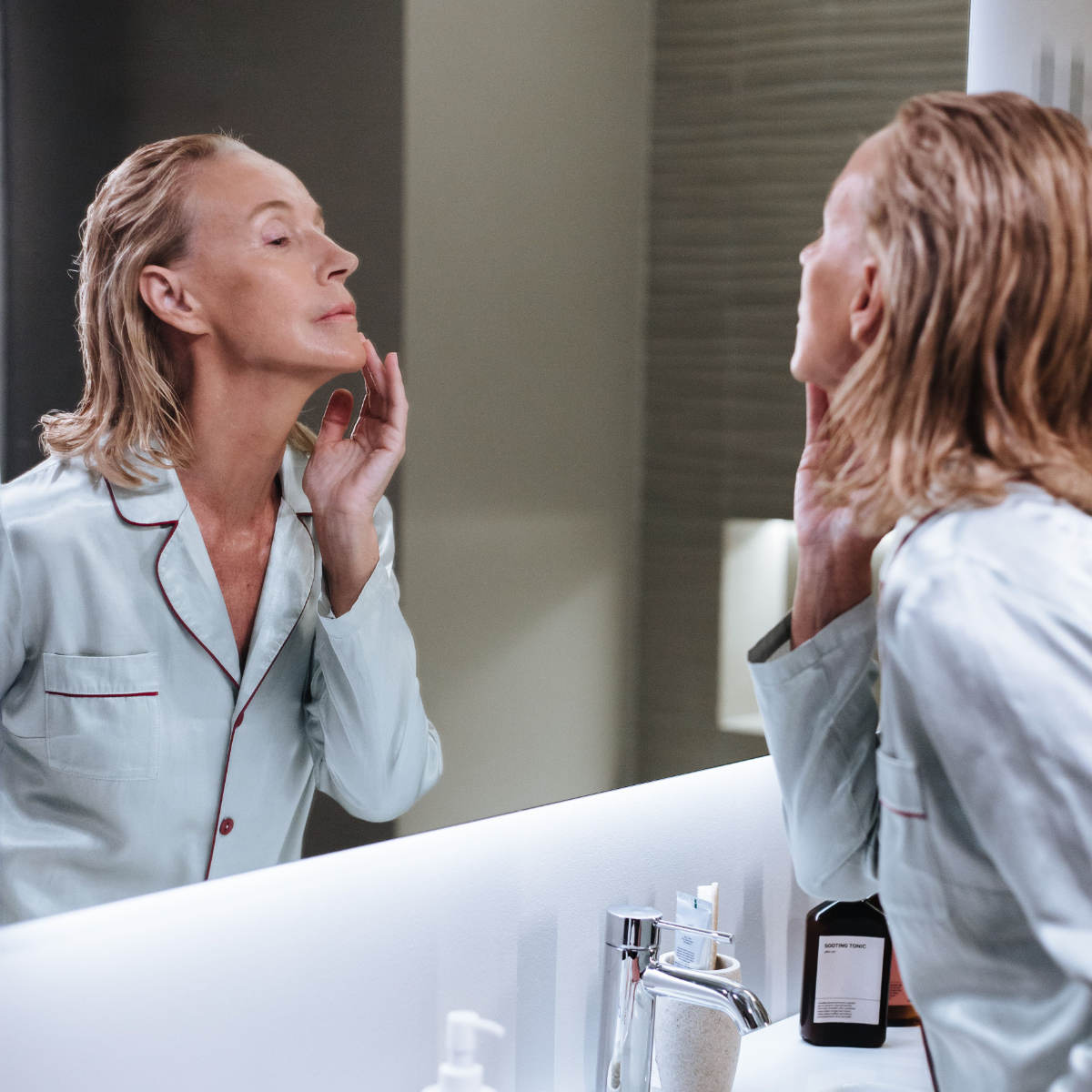
DMAE: The Skincare Ingredient That Could Help You Look Younger

DMAE (Dimethylaminoethanol) is a skincare ingredient studied for its potential to improve the appearance of aging skin. As collagen, elastin, and moisture naturally decline with age, skin may develop fine lines, wrinkles, sagging, and reduced firmness. Research suggests topical DMAE may help skin appear firmer and smoother while reducing the look of fine lines and mild sagging, particularly around the face, jawline, and neck.

August 1, 2026

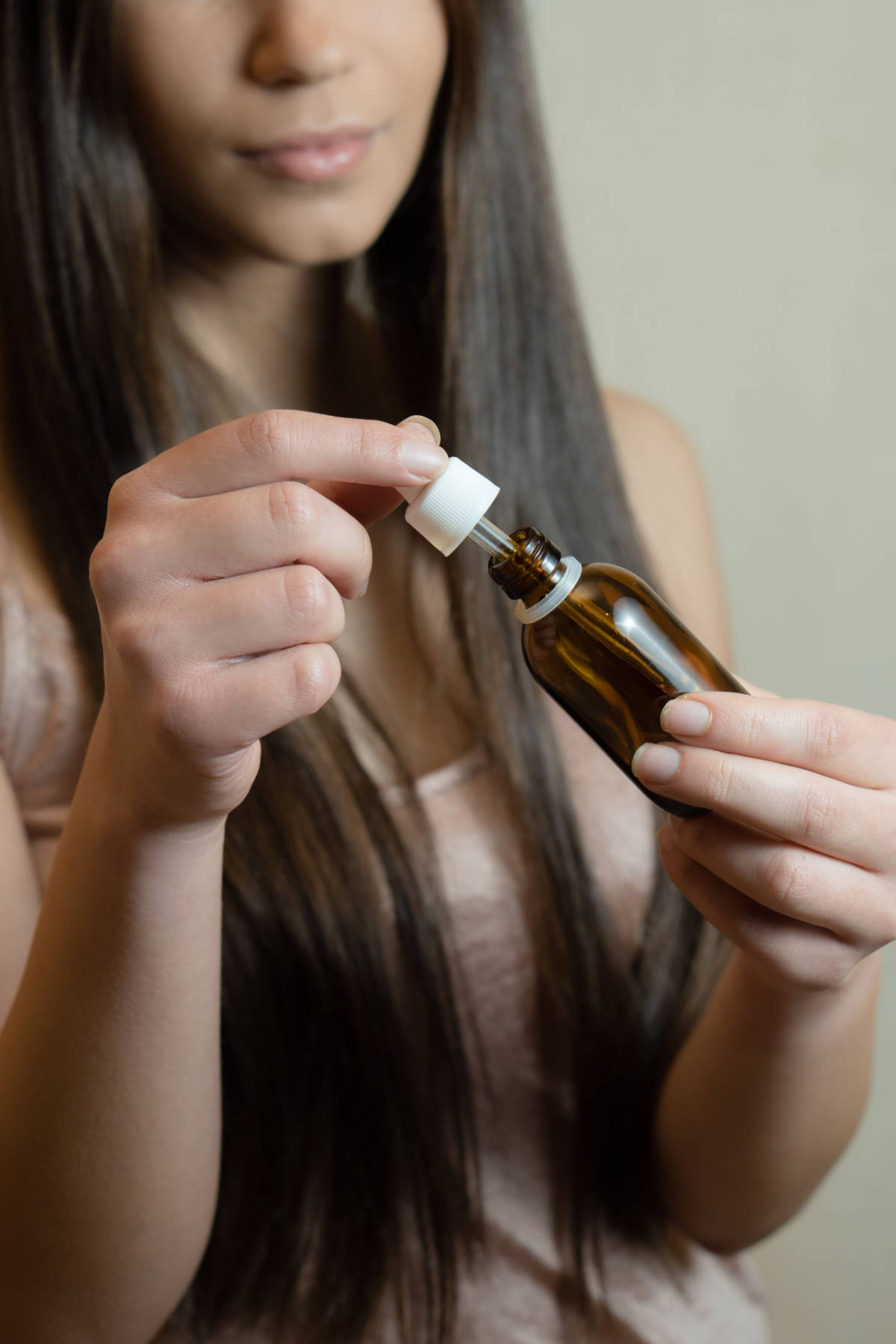
Best Vitamins to Take with Minoxidil for Hair Growth

Minoxidil is one of the most effective over-the-counter treatments for pattern hair loss, while vitamins such as vitamin D, iron, zinc, B vitamins, and omega-3s may support healthier hair if you have a nutritional deficiency. The best results come from using minoxidil consistently, maintaining a balanced diet, and working with a healthcare provider to identify and correct any underlying deficiencies rather than taking supplements unnecessarily.

July 20, 2026

Telemedicine vs. Hospital Visits: Which One Is Right for You?

Telemedicine is a convenient, accessible option for routine care, medication management, follow-up appointments, mental health services, and chronic condition monitoring. Hospitals remain essential for severe symptoms, emergencies, diagnostic testing, serious injuries, and conditions requiring immediate hands-on treatment.

July 9, 2026

Sun, Time, and Skin: The Hidden Causes Behind Aging Skin

Aging skin is influenced by more than time, with sun exposure, repeated facial expressions, genetics, and daily habits contributing to wrinkles, dark spots, uneven texture, and loss of firmness. Consistent sunscreen use, healthy lifestyle habits, and targeted skincare ingredients such as retinoids, vitamin C, and prescription treatments may help improve the appearance of photoaging and support healthier, brighter-looking skin.

July 8, 2026

The Weight of Health: Why Managing Obesity Matters in Reducing Cancer Risk

Managing obesity is about more than appearance; excess body fat can contribute to inflammation, insulin resistance, hormone changes, and other factors linked to an increased risk of several serious health conditions, including at least 13 types of cancer. Taking steps toward a healthier weight through lifestyle changes and, when appropriate, medical options such as GLP-1 medications may help improve overall health, support metabolic balance, and reduce obesity-related risks over time.

July 3, 2026

Getting Thinner Without Losing Your Confidence: What to Do About Loose Skin During Your GLP-1 Journey

Loose skin during a GLP-1 weight-loss journey is a common result of significant fat loss—not the medication itself—and is influenced by age, genetics, total weight lost, muscle mass, nutrition, smoking, and sun exposure. Supporting skin health with protein, strength training, hydration, balanced nutrition, sunscreen, and time can help, while non-surgical treatments or body-contouring surgery may be options when loose skin affects comfort, confidence, or daily life.