
August 1, 2026
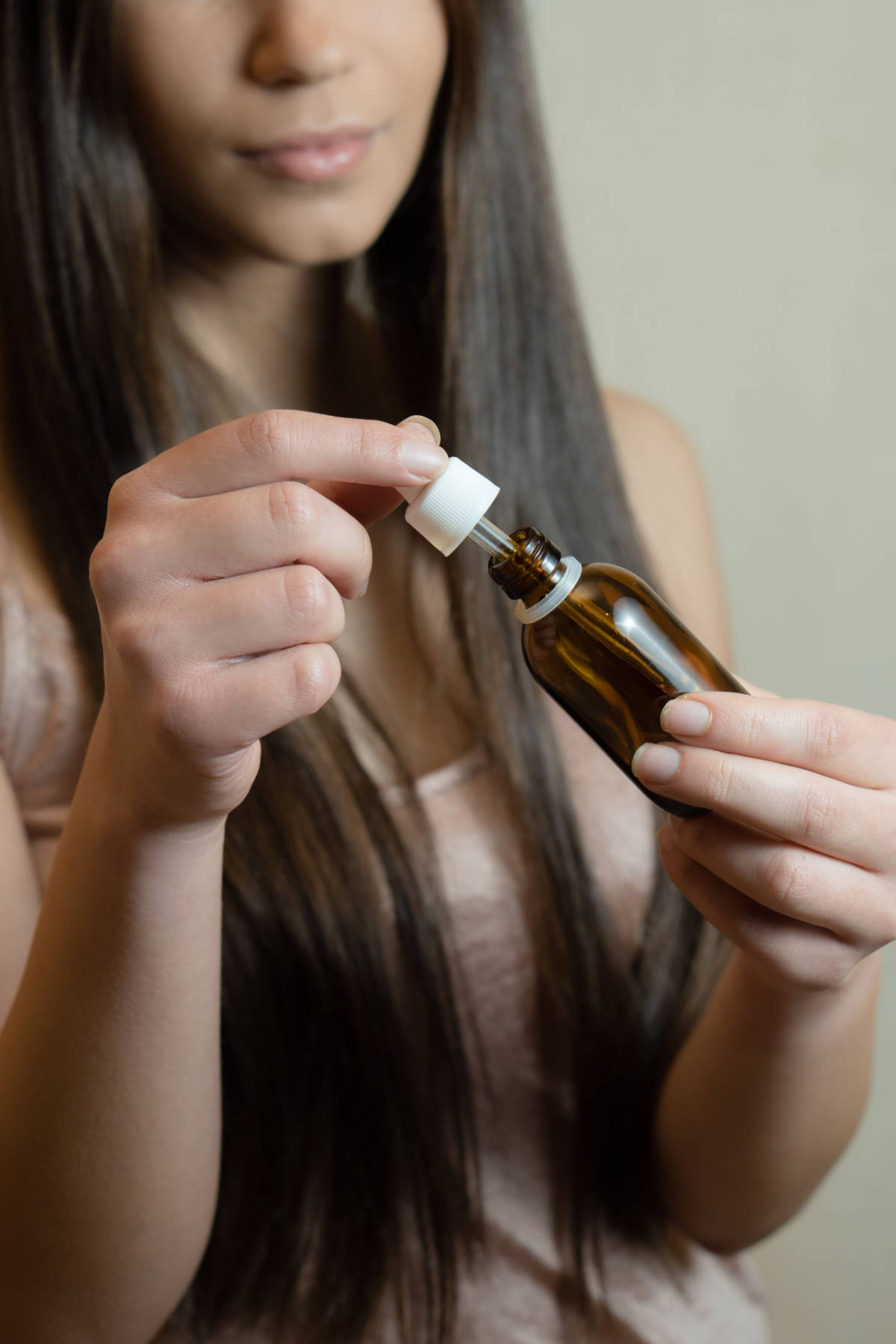
Hair loss can be discouraging. Maybe you've started noticing more hair in your brush, your ponytail feels thinner than it used to, or your part seems a little wider every time you look in the mirror. Whatever brought you here, you're definitely not alone. Hair thinning affects millions of people and can happen for many reasons, including genetics, stress, hormonal changes, aging, nutritional deficiencies, or certain health conditions.
If you're already using minoxidil, you're taking one of the most effective over-the-counter treatments available for pattern hair loss. Naturally, the next question many people ask is, "Should I be taking vitamins too?"
The short answer is: it depends.
Vitamins won't replace minoxidil or magically speed up hair growth, but they can support healthier hair—especially if you're low in certain nutrients. Think of them as helping your body create the best environment for healthy hair growth rather than acting as a cure on their own.
Minoxidil is an FDA-approved treatment for certain types of hair loss, particularly androgenetic alopecia (pattern hair loss). It works by increasing blood flow around the hair follicles and helping keep hairs in their active growth phase (called the anagen phase) for longer. It can also stimulate follicles that have become inactive over time.
One thing that's important to know is that hair growth takes patience. Most people don't notice visible improvement until they've used minoxidil consistently for about three to six months. Some people even experience a little extra shedding during the first few weeks. While that can be alarming, it's often a normal part of the process as older hairs shed to make room for new growth.
The biggest key to success? Consistency. Using minoxidil every day as directed gives your hair follicles the best chance to respond.
Even with a good hair care routine, your hair still depends on what's happening inside your body.
Hair is made mostly of a protein called keratin, and growing healthy hair requires a steady supply of vitamins, minerals, protein, and other nutrients. If your body is missing something important, your hair may become thinner, grow more slowly, or shed more than usual.
That doesn't mean everyone with hair loss needs supplements. In many cases, people get enough nutrients through their diet. But if you do have a deficiency, correcting it can improve overall hair health and support the results you're hoping to see with minoxidil.
Vitamin D plays an important role in the normal growth cycle of hair follicles. Studies have found that low vitamin D levels are more common in people with certain types of hair loss, including androgenetic alopecia and alopecia areata.
You may be more likely to have low vitamin D if you spend very little time outdoors, have darker skin, or live somewhere with limited sunlight. If testing shows you're deficient, your healthcare provider may recommend a supplement.
Biotin is probably the vitamin most people think of when it comes to hair growth. It's found in countless "hair, skin, and nails" supplements, but the reality is a little more complicated.
If someone has a true biotin deficiency—which is actually uncommon—taking biotin can help improve brittle hair and thinning. However, for people who already have normal biotin levels, research hasn't consistently shown that taking extra biotin leads to faster or thicker hair growth.
It's also important to know that high-dose biotin supplements can interfere with certain blood tests, including thyroid tests and tests used to detect heart attacks. Be sure to tell your healthcare provider if you're taking biotin before having lab work done.
Iron deficiency is one of the most common nutritional causes of hair shedding, especially in women.
Your hair follicles need oxygen to function properly, and iron helps carry oxygen throughout the body. When iron stores are low, the normal hair growth cycle can be disrupted, leading to increased shedding.
Because too much iron can be harmful, it's best not to take iron supplements unless a blood test confirms you actually need them.
Zinc supports healthy cell growth, tissue repair, and normal hair follicle function.
Low zinc levels have been linked to hair shedding in some people. However, taking high doses for long periods can cause side effects, including copper deficiency. That's why zinc supplements should only be taken if they're truly needed and under the guidance of a healthcare provider.
Vitamin C does more than support your immune system. It also helps your body produce collagen, an important protein that supports healthy skin and hair.
Another benefit is that vitamin C improves the absorption of iron from plant-based foods, making it especially helpful if your diet is low in iron-rich animal products.
Good food sources include oranges, strawberries, kiwi, bell peppers, broccoli, and other colorful fruits and vegetables.
Several B vitamins, including vitamin B12 and folate, are involved in healthy cell growth and red blood cell production.
Low levels can contribute to hair thinning, particularly in people with restrictive diets, digestive disorders, or certain medical conditions. If testing suggests a deficiency, your healthcare provider may recommend a B-complex supplement that's appropriate for your needs.
Although they're not vitamins, omega-3 fatty acids deserve a mention because they support overall scalp and skin health.
Some research suggests omega-3s may improve hair density and help reduce inflammation around hair follicles, although more studies are needed before firm conclusions can be made.
You can get omega-3s from foods like salmon, sardines, mackerel, walnuts, chia seeds, and flaxseeds.
This is one of the most common questions people ask, and the answer is a little more nuanced than a simple yes or no.
Minoxidil works directly on the hair follicles by stimulating hair growth. Vitamins don't do that. Instead, they help ensure your body has the nutrients it needs to grow healthy hair.
If you're deficient in a nutrient like iron or vitamin D, correcting that deficiency may improve your hair health and allow your follicles to function more normally. But if your nutrient levels are already healthy, taking extra supplements probably won't make your hair grow faster or dramatically boost the effects of minoxidil.
A simple way to think about it is this:
When both pieces are in place, you're giving your hair the best chance to grow.
Hair health isn't just about what you apply to your scalp or what's in your vitamin bottle. Your everyday habits matter, too.
A few simple things can make a difference:
Not all hair loss has the same cause.
If your hair loss is sudden, severe, patchy, or happens along with symptoms like fatigue, unexplained weight changes, or changes in your menstrual cycle, it's worth seeing a healthcare provider.
They may recommend blood tests to check for vitamin or mineral deficiencies, thyroid problems, hormonal imbalances, or other underlying conditions that could be contributing to your hair loss. Finding the cause early can help you get the most appropriate treatment.
Minoxidil is one of the most effective over-the-counter treatments for pattern hair loss, but healthy hair growth doesn't depend on a single product. Your body also needs the right nutrients to support strong, healthy hair.
Vitamins can be helpful if you're low in nutrients like iron or vitamin D, but they're not a shortcut to faster hair growth. Taking supplements you don't need is unlikely to improve your results and, in some cases, may even cause unwanted side effects.
The best approach is to focus on the basics: eat a balanced diet, use your minoxidil consistently, take care of your overall health, and be patient with the process. Hair growth takes time, but giving your body and your hair follicles the support they need can make a meaningful difference over the long run.
Almohanna, H. M., Ahmed, A. A., Tsatalis, J. P., & Tosti, A. (2019). The role of vitamins and minerals in hair loss: A review. Dermatology and Therapy, 9(1), 51–70.
Guo, E. L., & Katta, R. (2017). Diet and hair loss: Effects of nutrient deficiency and supplement use. Dermatology Practical & Conceptual, 7(1), 1–10.
Messenger, A. G., & Rundegren, J. (2004). Minoxidil: Mechanisms of action on hair growth. British Journal of Dermatology, 150(2), 186–194.
Mirmirani, P., & Shapiro, J. (2022). Hair loss in adults: Evaluation and diagnosis. UpToDate.
Rossi, A., Cantisani, C., Melis, L., Iorio, A., Scali, E., & Calvieri, S. (2012). Minoxidil use in dermatology, side effects and recent patents. Recent Patents on Inflammation & Allergy Drug Discovery, 6(2), 130–136.
Suchonwanit, P., Thammarucha, S., & Leerunyakul, K. (2019). Minoxidil and its use in hair disorders: A review. Drug Design, Development and Therapy, 13, 2777–2786.
Varothai, S., & Bergfeld, W. F. (2014). Androgenetic alopecia: An evidence-based treatment update. American Journal of Clinical Dermatology, 15(3), 217–230.