
July 20, 2026
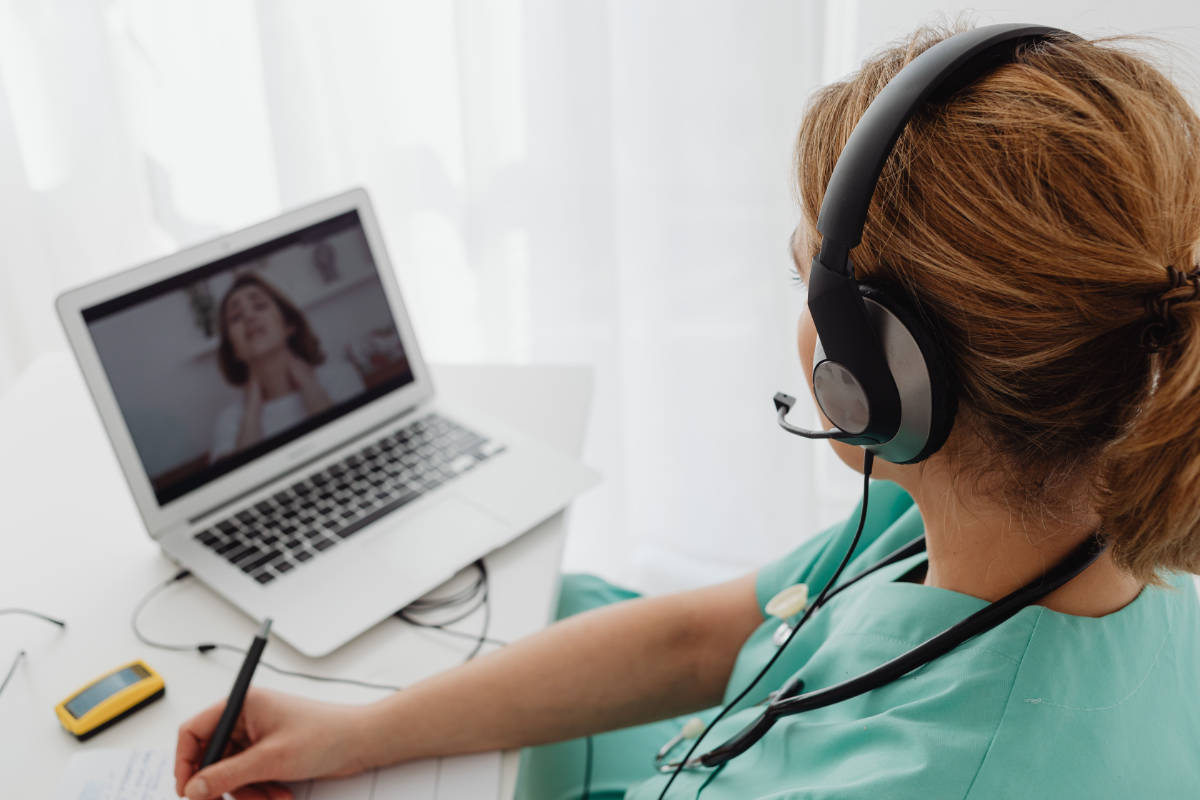
Have you ever wondered whether you really need to visit the hospital or if a virtual appointment would be enough? It is a question many people ask, especially when they are feeling sick but are unsure how serious their symptoms are.
Healthcare has changed significantly over the past few years. Thanks to telemedicine, patients can now speak with licensed healthcare providers without leaving home. A video call or phone consultation can often provide the medical guidance you need while saving time and making healthcare much more convenient.
However, telemedicine is not meant to replace hospitals. Some medical conditions require immediate, hands-on care that can only be provided in person. Understanding when to choose telemedicine and when to head to the hospital can help you receive the right treatment at the right time.
Telemedicine is the delivery of healthcare through secure technology such as video calls, telephone consultations, or online messaging. Instead of traveling to a clinic, patients can connect with healthcare providers from wherever they are.
Virtual healthcare has become increasingly common because it allows providers to evaluate symptoms, review medical history, discuss treatment plans, refill medications, and answer health related questions without requiring an office visit.
For many routine healthcare needs, telemedicine provides safe, effective, and high quality care while making healthcare more accessible.
One of the biggest reasons telemedicine has become so popular is simple. Life is busy. Between work, school, family responsibilities, and daily commitments, finding time for a medical appointment is not always easy.
Virtual healthcare helps remove many of the barriers that prevent people from getting the care they need. Instead of delaying an appointment because of travel or scheduling conflicts, patients can often speak with a provider from the comfort of home.
One of the greatest advantages of telemedicine is convenience. Traditional appointments often involve driving to a clinic, sitting in traffic, finding parking, checking in, and waiting for your turn. Even a brief visit can take several hours out of your day.
With telemedicine, your appointment begins wherever you are. Many people schedule virtual visits during a lunch break or between daily activities, allowing them to receive medical care without disrupting their entire day.
It can also reduce expenses associated with healthcare visits. Patients often save money on transportation, fuel, parking fees, childcare, and time away from work. These small savings can make a meaningful difference, especially for individuals who require regular follow up appointments.
Accessing healthcare is not equally easy for everyone. Some people live hours away from the nearest specialist. Others have mobility challenges, disabilities, or limited transportation that make traveling difficult.
Telemedicine helps close that gap by connecting patients with healthcare providers regardless of where they live. As long as there is a secure internet connection or telephone service, patients can receive professional medical advice without traveling long distances.
This expanded access is especially valuable for people living in rural communities where specialty care may not be readily available.
Hospitals and clinics care for patients with a wide range of illnesses every day. Sitting in a crowded waiting room may increase the risk of exposure to contagious infections, especially during cold and flu season.
Telemedicine allows patients with routine medical concerns to receive care without unnecessary exposure to germs. This can be particularly beneficial for older adults, pregnant women, individuals with weakened immune systems, and those living with chronic health conditions.
Receiving care from home provides peace of mind while helping reduce unnecessary contact with infectious illnesses.
Living with a chronic condition often means regular appointments to monitor your health. Patients with diabetes, high blood pressure, high cholesterol, asthma, thyroid disorders, and other long term conditions benefit from consistent follow up care.
Telemedicine makes these routine visits much easier. Healthcare providers can review blood pressure readings, blood sugar logs, medication effectiveness, symptoms, and laboratory results during a virtual appointment.
Because follow up care becomes more convenient, patients are often more likely to attend appointments and stay engaged with their treatment plans.
Seeking help for anxiety, depression, stress, or other mental health concerns can sometimes feel overwhelming. Telemedicine provides a private and comfortable setting where patients can speak openly with licensed professionals.
Virtual counseling and psychiatric appointments eliminate many common barriers such as transportation, scheduling conflicts, and long travel times. Many patients find it easier to attend appointments consistently when they can connect from home.
Many follow up appointments do not require a physical examination. Reviewing laboratory results, adjusting medications, discussing side effects, or answering questions can often be done effectively through telemedicine.
Instead of waiting weeks for another office visit, patients can receive timely guidance that helps them continue treatment without unnecessary delays.
Telemedicine works well for healthcare concerns that rely mainly on conversation, medical history, and ongoing monitoring rather than physical examination.
It is often an excellent choice for:
These appointments can often be completed just as effectively through a virtual visit while offering much greater convenience.
Although telemedicine is incredibly helpful, there are situations where immediate in person medical care is necessary.
Go to the hospital or seek emergency medical attention if you experience:
Hospitals are also necessary when your condition requires:
These situations require equipment, testing, and treatments that cannot be provided through a virtual appointment.
Some people think telemedicine and hospitals compete with each other, but they actually serve different purposes.
Telemedicine provides an easy way to access healthcare for routine concerns, preventive care, medication management, follow up visits, and chronic disease monitoring. Hospitals provide advanced diagnostics, emergency treatment, surgery, and hands on medical care when it is truly needed.
In many cases, telemedicine serves as the first step. A healthcare provider can assess your symptoms during a virtual visit and determine whether you can safely continue treatment at home or if you should be seen in person.
This approach helps patients receive appropriate care while reducing unnecessary hospital visits and allowing emergency departments to focus on those with urgent medical needs.
The next time you need medical advice, think about the type of care your condition requires. If you need a medication refill, have questions about your treatment, want to review test results, or are managing a chronic condition, telemedicine may be the most convenient option.
If your symptoms are severe, life threatening, or require immediate testing or treatment, do not delay seeking emergency medical care.
Telemedicine has transformed healthcare by making it more convenient, accessible, and patient centered. While it cannot replace hospitals in emergencies, it has become an important part of modern medicine by helping people receive timely care without unnecessary travel or long waits. Knowing when to choose a virtual visit and when to visit the hospital can help you make informed healthcare decisions and ensure you receive the care you need when it matters most.
American Medical Association. (2024). Telehealth implementation playbook.
Centers for Disease Control and Prevention. (2024). Using telehealth to expand access to essential health services.
Office of the National Coordinator for Health Information Technology. (2023). Telehealth for patients.
National Institute of Diabetes and Digestive and Kidney Diseases. (2023). Managing diabetes.
World Health Organization. (2022). Global strategy on digital health 2020 to 2025.