
August 7, 2026
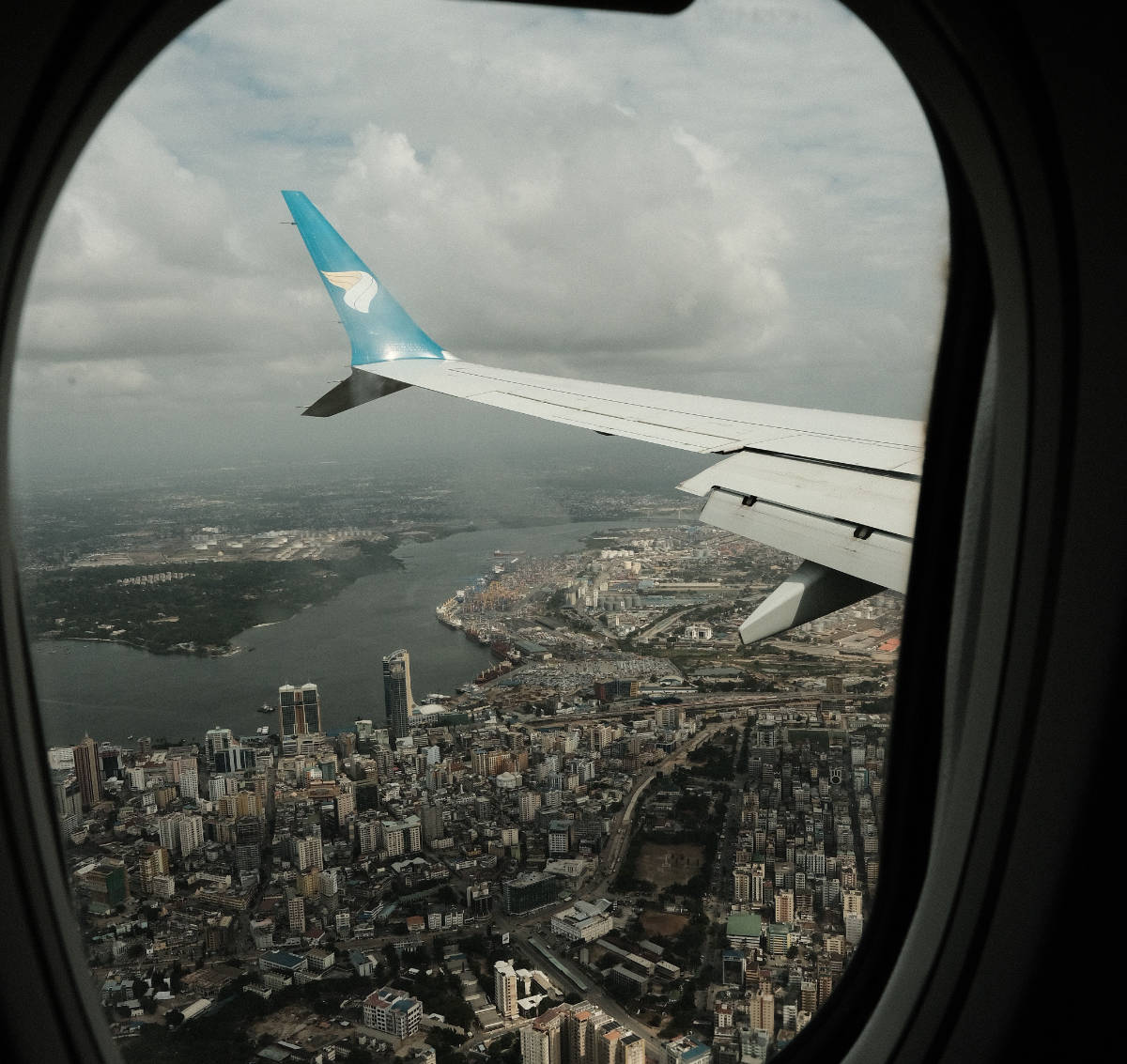
Vacation is something many of us look forward to. Whether you are flying to another country, taking a road trip, or simply spending a few days away with family, traveling is a chance to relax and make memories.
If you are taking a GLP 1 medication such as semaglutide or tirzepatide, you may be wondering how to continue your treatment while you are away from home. The good news is that traveling while taking these medications is possible. It just takes a little planning.
Here are a few simple tips to help you enjoy your trip while continuing to work toward your health goals.
One of the smartest things you can do before your trip is schedule a quick visit or send a message to your healthcare provider.
You may have questions like:
Your healthcare provider can give advice that is specific to your treatment plan and medical needs.
In some situations, your provider may also discuss whether another medication option would be more practical during your trip. For example, some patients may ask about using an oral medication instead of an injectable medication while traveling because of concerns about storage, transportation, or convenience.
However, any changes to your medication plan should always be discussed with your healthcare provider first. They can determine whether a different option is appropriate based on your health history, treatment goals, and current progress.
Having that guidance before your trip can help you avoid unnecessary stress and allow you to travel with confidence.
It can be tempting to pack everything in your checked luggage, but your medication should stay with you.
Carry it in your hand luggage so it is always within reach if your baggage is delayed or misplaced.
Keep the medication in its original packaging with the prescription label. If your medication needs to stay cool, use a travel case designed for medications and follow the storage instructions provided for your specific medication. Avoid allowing the medication to freeze because freezing can affect its effectiveness.
Even if your trip is only a few days long, it is a good idea to pack a little more than you expect to need.
Travel plans can change without warning.
Bring your medication, needles if required, alcohol wipes, and any other supplies you normally use. Having extra supplies means you can focus on enjoying your trip instead of worrying about running out.
Many people notice they feel full much sooner while taking GLP 1 medications.
While this can support weight loss, your body still needs proper nutrition, especially when you are walking more than usual or spending long days exploring.
Instead of eating large meals, choose smaller portions that include enough protein. Foods such as grilled chicken, eggs, fish, Greek yogurt, beans, and protein shakes can help keep your energy up throughout the day.
Trying new food is one of the best parts of traveling.
You should enjoy the experience, but remember to listen to your body.
Because GLP 1 medications slow stomach emptying, eating very large or heavy meals may cause discomfort. Some people may experience nausea, bloating, or stomach upset after overeating.
Take your time while eating and stop when you feel comfortably satisfied.
The goal is to enjoy your vacation, not spend it feeling uncomfortable.
Travel often means spending more time outdoors, walking longer distances, or sitting through long flights.
All of these can increase your chances of becoming dehydrated.
Drinking enough water may also help with constipation and headaches, which some people experience while taking GLP 1 medications.
Keeping a reusable water bottle with you can make it easier to stay hydrated throughout the day.
If your weekly injection falls during your vacation, think about it before you leave home.
If you are traveling across different time zones or are unsure about your schedule, ask your healthcare provider for advice before your trip.
They can help you understand how to continue your medication safely and what steps to take if your schedule changes.
Do not adjust your dose or take extra medication unless your healthcare provider specifically instructs you to do so.
Vacations often come with changes in routine.
You may be eating different foods, sleeping less, or being more active than usual.
Pay attention to how you feel.
If you experience severe stomach pain, ongoing vomiting, inability to keep fluids down, or signs of dehydration, seek medical care.
It is always better to address concerns early rather than ignore symptoms while traveling.
Every person responds differently to GLP 1 medications.
Your healthcare provider understands your medical history, current dose, treatment goals, and lifestyle. They can provide personalized recommendations to help you safely continue your treatment while traveling.
Whether you need advice about medication storage, managing side effects, adjusting your schedule, or exploring other medication options for your trip, your healthcare provider can help you make informed decisions.
A quick consultation before your vacation can give you peace of mind and help you enjoy your trip without unnecessary worries.
Taking a GLP 1 medication does not mean putting your life or your vacations on hold.
With proper planning, smart packing, mindful eating, and support from your healthcare provider, you can travel while staying consistent with your treatment.
Your health journey should fit into your life, including the moments when you are exploring new places and making memories.
Safe travels and enjoy your adventure.
American Diabetes Association. (2025). Standards of Care in Diabetes. Diabetes Care, 48(Supplement 1).
Centers for Disease Control and Prevention. (2024). Tips for Traveling With Diabetes.
Eli Lilly and Company. (2025). Mounjaro (tirzepatide) Prescribing Information.
Eli Lilly and Company. (2025). Zepbound (tirzepatide) Prescribing Information.
Novo Nordisk A S. (2025). Ozempic (semaglutide) Prescribing Information.
Novo Nordisk A S. (2025). Wegovy (semaglutide) Prescribing Information.