
August 5, 2026
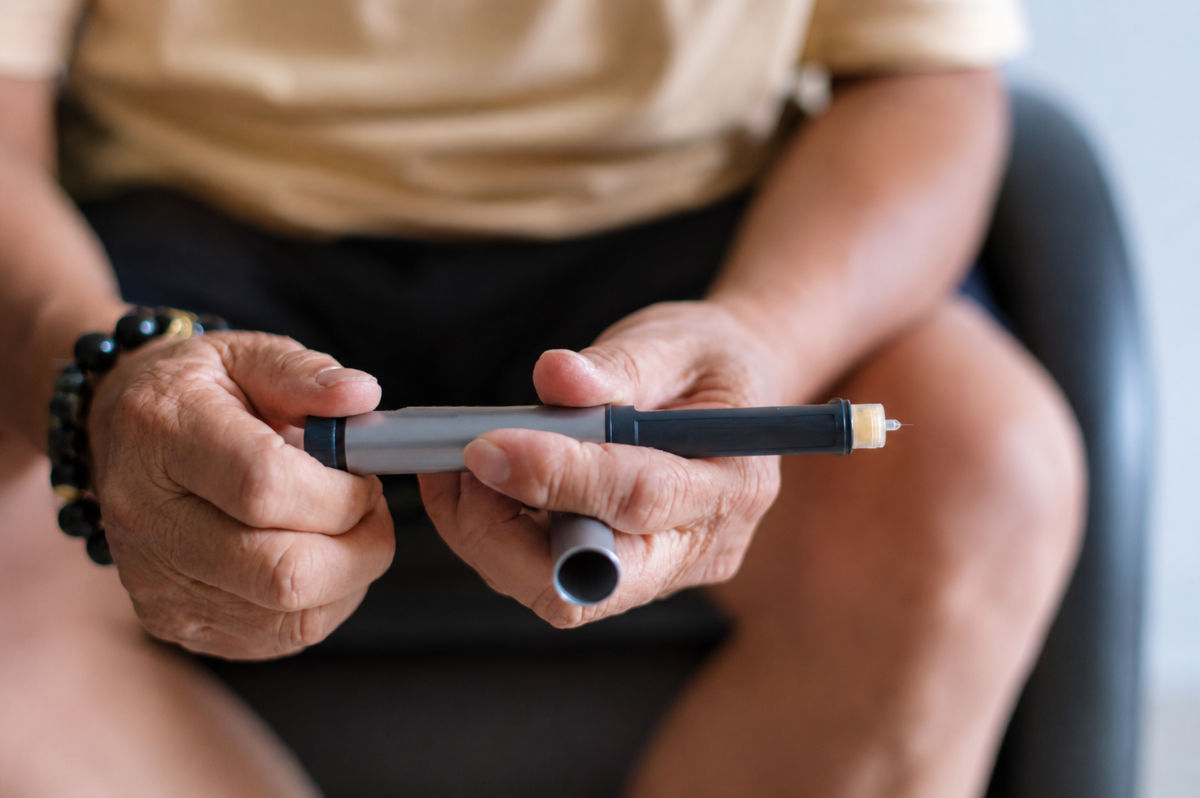
GLP-1 medications have changed the lives of millions of people struggling with obesity and type 2 diabetes. Medications like semaglutide and tirzepatide have helped patients lose significant weight, improve blood sugar control, and lower their risk of developing serious health conditions associated with excess weight.
With so many success stories circulating on social media and online communities, it's no surprise that more people are interested in trying these medications. Unfortunately, their growing popularity has also led to an increasing number of people using them without proper medical supervision.
Some borrow medication from friends or family. Others purchase it from unverified online sources or adjust their own doses based on advice from social media rather than guidance from a healthcare provider.
For many, the motivation is understandable—they're trying to save money.
Doctor's appointments, laboratory work, and prescription costs can add up, making self-medication seem like the quicker and more affordable option. At first glance, it may feel like you're avoiding unnecessary expenses by managing the medication yourself.
But here's the reality: what seems like a way to save money today can end up costing much more tomorrow.
Using GLP-1 medications without professional guidance can lead to incorrect dosing, severe side effects, ineffective treatment, or even serious health complications. Instead of saving money, you may find yourself paying for additional doctor's visits, emergency care, laboratory tests, replacement medication, or treatment for preventable complications.
More importantly, the greatest cost may not be financial—it could be your health.
GLP-1 medications are powerful prescription medications designed to treat chronic medical conditions. They are not quick-fix weight-loss injections or products that should be used based on someone else's experience. Every person's body responds differently, which is why these medications should always be used under the guidance of a qualified healthcare provider.
If you're considering starting a GLP-1 medication or are already taking one, understanding why medical supervision matters can help protect your health, your time, and your investment in your weight-loss journey.
GLP-1 receptor agonists are medications that mimic a naturally occurring hormone called glucagon-like peptide-1. This hormone plays an important role in regulating appetite, digestion, and blood sugar.
These medications help by:
Although their effects may sound straightforward, these medications are anything but simple.
The dose that's appropriate for one person may not be safe for another. Factors such as your age, current weight, medical history, kidney function, other medications, and underlying health conditions all influence how your body responds to treatment.
That's why healthcare providers don't prescribe GLP-1 medications using a one-size-fits-all approach. Treatment is personalized to maximize results while minimizing risks.
One of the biggest misconceptions about GLP-1 medications is that taking a higher dose will help you lose weight faster.
In reality, increasing your dose too quickly can do more harm than good.
GLP-1 medications are carefully introduced using a process called dose titration, where patients begin with a low dose before gradually increasing it over several weeks or even months. This gradual approach allows your body to adjust to the medication while reducing the likelihood of uncomfortable side effects.
Skipping steps or increasing your dose without medical advice may lead to:
On the other hand, taking a dose that's too low may leave you frustrated because you don't see the results you were expecting.
Finding the right dose isn't about losing weight as quickly as possible—it's about finding the safest and most effective dose for your individual body.
Your healthcare provider evaluates how you're tolerating the medication before deciding whether it's appropriate to increase your dose. That decision should never be based on someone else's experience or advice shared online.
It's easy to assume that because a friend, coworker, or family member had great success with a GLP-1 medication, the same treatment will work just as well for you.
But medicine doesn't work that way.
Every patient has a unique medical history.
Before prescribing a GLP-1 medication, healthcare providers consider many important factors, including:
These factors help determine not only whether a GLP-1 medication is appropriate for you, but also which medication and dosing schedule will be the safest.
Skipping this evaluation increases your risk of complications that could have been prevented with proper medical guidance.
Many people experience mild side effects when starting GLP-1 therapy. Nausea, decreased appetite, constipation, diarrhea, or mild stomach discomfort are relatively common as the body adjusts.
However, not every symptom should simply be ignored.
Sometimes what appears to be a "normal side effect" may actually be a warning sign that your treatment needs to be adjusted.
Healthcare providers monitor patients for complications such as:
Regular follow-up appointments allow these issues to be identified early before they become more serious.
Without professional guidance, many people either continue taking the medication despite worsening symptoms or stop treatment altogether because they assume something has gone wrong. Both situations can delay progress and increase health risks.
As demand for GLP-1 medications continues to rise, counterfeit and improperly compounded products have become increasingly common.
Many websites and social media advertisements promise cheaper alternatives without requiring a prescription. While the lower price may be tempting, these products may not meet the same quality and safety standards as medications obtained through licensed healthcare providers and legitimate pharmacies.
Some products may:
At first, buying from an unverified source may seem like you're saving money. But if the medication is ineffective—or worse, unsafe—you could end up spending far more on medical treatment than you would have by seeking professional care in the first place.
When it comes to prescription medications, knowing exactly what you're putting into your body is worth the investment.
One of the most common misconceptions about GLP-1 medications is that the injection does all the work.
In reality, these medications are designed to support a comprehensive treatment plan—not replace one.
Long-term success depends on many factors, including:
Medical professionals help you make adjustments throughout your journey. They can identify when you've reached a weight-loss plateau, recommend nutritional changes, address side effects, and determine whether your medication needs to be adjusted.
Without that guidance, it's easy to become discouraged when progress slows or to make unnecessary changes that could interfere with your treatment.
Remember, healthy weight loss isn't a race. It's about creating sustainable habits that support your health for years to come.
It's completely understandable why some people consider managing GLP-1 medications on their own. Between doctor's appointments, follow-up visits, laboratory tests, and prescription costs, medical care can feel expensive. When you're eager to lose weight or improve your health, self-medicating may seem like a faster and more affordable solution.
But what appears to save you money today could end up costing you much more tomorrow.
Without the guidance of a healthcare provider, it's easy to make mistakes—such as increasing your dose too quickly, restarting treatment incorrectly after taking a break, or continuing a medication despite side effects that should be evaluated. These decisions can lead to poor results, unnecessary discomfort, or serious health complications.
Instead of saving money, you may find yourself paying for:
In some cases, people stop taking the medication altogether because they had a negative experience that could have been prevented with proper medical supervision. Others become discouraged when they don't see the results they expected because they were using the medication incorrectly from the start.
These setbacks don't just affect your budget—they can also affect your confidence and motivation.
The truth is, the most expensive mistake is often the one that could have been avoided.
Seeking professional medical care from the beginning helps ensure that your treatment is both safe and effective. Rather than guessing your way through treatment, you'll have someone monitoring your progress, answering your questions, and making adjustments when needed.
In the long run, medical guidance can actually save you money, time, and unnecessary stress while protecting something even more valuable—your health.
Healthcare providers do much more than prescribe medication.
They create a treatment plan that's tailored specifically to your health needs and continue to support you throughout your journey.
During treatment, your healthcare provider can help:
This personalized approach is one of the biggest reasons patients achieve better long-term success under medical supervision.
Remember, successful weight management isn't measured by how quickly you lose weight—it's measured by how safely you improve your overall health.
Even if you've been doing well on your medication, there are times when you should reach out to your healthcare provider rather than trying to solve the problem yourself.
Contact your healthcare provider if you experience:
Never assume that increasing, decreasing, or skipping your medication is the best solution. A simple conversation with your healthcare provider can often prevent a small problem from becoming a much larger one.
Choosing to seek medical guidance isn't just about following instructions—it's about giving yourself the best chance for success.
GLP-1 medications are powerful tools that have helped many people improve their health, lose weight, and regain confidence. But like any prescription medication, they work best when they're used correctly and under the supervision of a qualified healthcare professional.
Trying to manage treatment on your own may seem like a way to save money, but if complications arise or the medication isn't used properly, you may end up spending much more than you expected. More importantly, you could put your health at risk.
Think of professional medical care as an investment rather than an expense.
Your healthcare provider is there to guide you through every stage of treatment—from choosing the right medication and dose to helping you overcome challenges along the way. That guidance can help you avoid preventable complications, reduce unnecessary costs, and achieve healthier, more sustainable results.
When it comes to your health, cutting corners is rarely worth the risk.
GLP-1 medications have transformed the lives of many people living with obesity and type 2 diabetes. When used appropriately, they can be safe, effective, and life-changing.
However, these medications are not something you should self-prescribe, share with others, or adjust without medical advice.
Although self-medicating may seem like a way to save money, it can lead to costly mistakes, delayed progress, unnecessary side effects, and even serious health complications. What begins as an attempt to reduce expenses may ultimately result in more medical bills, more time spent recovering, and more frustration.
Your health deserves more than trial and error.
If you're thinking about starting a GLP-1 medication, have questions about your current treatment, or are considering making changes to your dosing schedule, talk to a qualified healthcare provider first.
The right guidance can save you time, protect your health, prevent unnecessary expenses, and help you get the most out of your treatment.
Because when it comes to your health, the goal isn't just to lose weight—it's to do it safely, effectively, and in a way that supports your long-term well-being.
American Diabetes Association. (2025). Standards of care in diabetes—2025. Diabetes Care, 48(Supplement_1).
Davies, M., Færch, L., Jeppesen, O. K., Pakseresht, A., Pedersen, S. D., Perreault, L., Rosenstock, J., Shimomura, I., Viljoen, A., & Wadden, T. A. (2021). Once-weekly semaglutide in adults with overweight or obesity. The New England Journal of Medicine, 384(11), 989–1002.
Jastreboff, A. M., Aronne, L. J., Ahmad, N. N., Wharton, S., Connery, L., Alves, B., Kiyosue, A., Liu, B., Bunck, M. C., & Stefanski, A. (2022). Tirzepatide once weekly for the treatment of obesity. The New England Journal of Medicine, 387(3), 205–216.
Kushner, R. F., Calanna, S., Davies, M., Dicker, D., Garvey, W. T., Goldman, B., Lingvay, I., Thomsen, M., Wadden, T. A., & Wharton, S. (2020). Clinical recommendations to optimize treatment with GLP-1 receptor agonists. Diabetes, Obesity and Metabolism, 22(Suppl. 1), 3–15.
Rubino, D. M., Greenway, F. L., Khalid, U., O'Neil, P. M., Rosenstock, J., Sørrig, R., Wadden, T. A., & Wilding, J. P. H. (2023). Effect of continued weekly semaglutide treatment versus withdrawal on weight maintenance in adults with overweight or obesity. JAMA, 329(17), 1389–1399.
U.S. Food and Drug Administration. (2024). FDA alerts health care providers, compounders, and patients of dosing errors associated with compounded injectable semaglutide products.
U.S. Food and Drug Administration. (2025). FDA's concerns with unapproved GLP-1 drugs used for weight loss.